
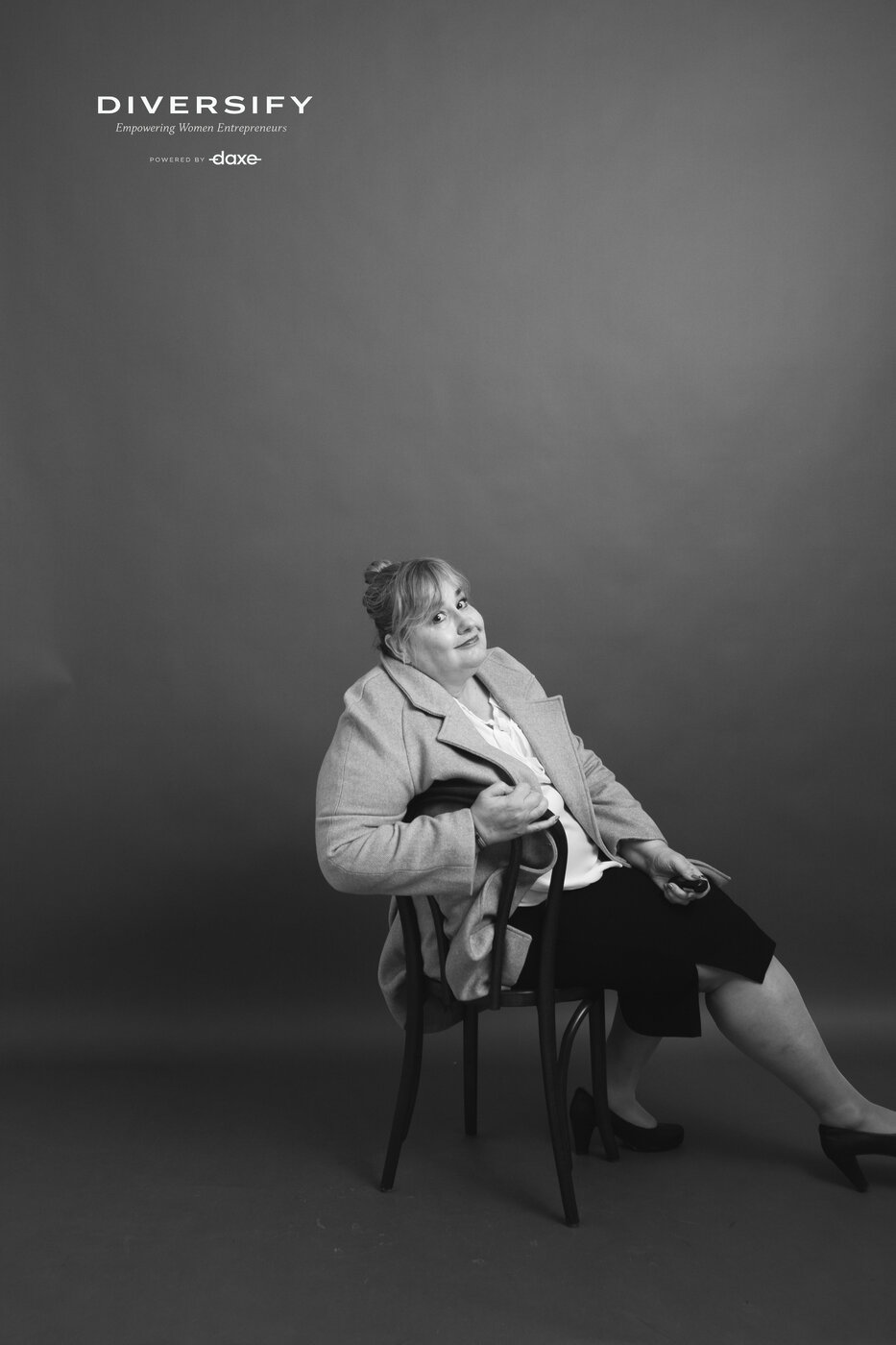
Portrait No. 001
Anne-Cecile Guillot Bellisario
Founder
Simplify AI
I spent 23 years at Cisco turning messy data into decisions for billion-dollar businesses. When I launched my own Etsy shop to learn B2C and ecommerce firsthand, I assumed my enterprise skills would transfer. They didn't. My operational mindset demanded clean reporting and accurate cost of goods, but reconciling print-on-demand fees, Etsy cuts, and actual profit per product took months and two paid software subscriptions just to get a basic answer. I'm tech-savvy with decades of analytics experience, and I still struggled. That's when the real problem clicked: if I can't figure this out, the shop owner down the street has no chance. Small businesses own the tools. They just can't use them to grow. I built Simplify Digital AI to close that gap, because every business owner deserves to answer their most important question in 60 seconds or less.
Chapter I
The toughest challenges you've faced as a founder.
Building as a French immigrant woman over 50, in a startup world that skews 35, male, and native-born, means constantly proving you belong in the room, then proving your idea is worth funding. After Cisco, I spent two years obsessively testing AI tools, marketing platforms, and content creation solutions, because I refused to build something for small businesses without living their reality first. Then I bootstrapped without a safety net, taught myself to build on modern no-code platforms, wrote the product specs, designed the brand, ran the customer research, and pitched investors, solo, for six months before recruiting a technical co-founder. The fundraising reality for women founders is brutal. Less than 2% of VC funding goes to women. So I did what we always do: built proof first. I graduated from the Founder Institute incubator (SF Fall 2025). My assessment hit 100% completion rates with 33% purchase intent, before a single paid ad. The hardest moments aren't the pivots or the late nights. It’s sitting in investor rooms watching people underestimate me, and choosing to keep going anyway. This isn't just a business. Small businesses are the heart of our communities and the backbone of our economy, and I'm using data and AI to give them the tools to finally compete.
Chapter II
Your vision.
Most small business owners end every day asking the same question: am I making progress, or just staying afloat? They are stretched thin and buried in the day-to-day. Data sits scattered across disconnected tools, invisible and untranslated. So the questions that matter most never get answered. Which ad platform actually brings in bigger jobs? Which product is really profitable after all fees? Is my marketing working or am I just spending? When small businesses become data driven, everything changes. Owners focus on what actually drives customers, make confident decisions, and build momentum instead of just maintaining it. They get time back for their families and their craft. Their financials become a story they can tell to a banker or investor, unlocking access to capital and building real business value. Small businesses generate 44% of US economic activity and create two thirds of all new jobs. When they thrive, communities thrive. That is the world Simplify AI is building toward.
Chapter III
The impact you want to leave behind — for your industry, your community, and the women who come next.
Women own 40% of US businesses yet receive just 4% of conventional small business loans. Not because their businesses are weaker, but because banks measure the wrong things. They run some of the most community-rooted businesses in America: the salon that knows every customer by name, the childcare center anchoring a neighborhood, the boutique that defines a downtown block. Their value rarely fits a balance sheet. Thirty years from now, I want Simplify AI to have changed that. As we grow, we will use our business intelligence to partner with lenders, turning the data we already track into a new lens for capital access, one built around how small businesses actually create value. When women business owners can tell their story in numbers, they get the capital they deserve. And when they thrive, whole communities rise with them.