
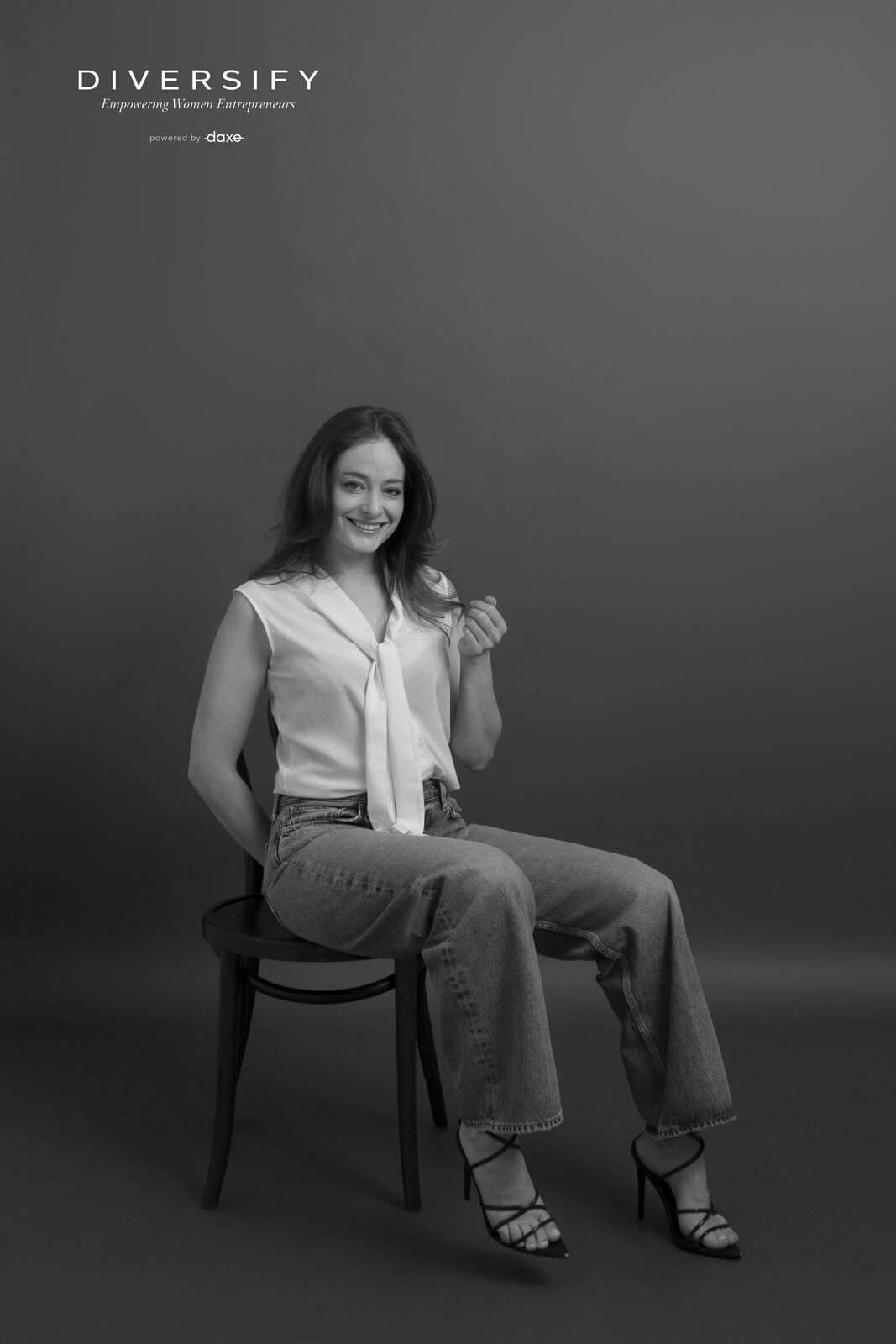
Portrait No. 001
Ariel Ganz
Founder and Managing Partner
Stanford
My background as a cancer patient and precision health scientist at Stanford and Cornell gives me a unique insight as an investor in the future of health. My postdoctoral work was at Stanford working with Mike Snyder, Professor and Emeritus chair of Genetics. I saw that although our lab is among the largest best funded in the world, creative breakthrough ideas are dropped left and right for lack of small amounts of funding. Our funds wants to empower the Einsteins and Edisons of our time to work creatively on the ideas that spark their inner joy, rather than trying to fit in a box to get funded by current funding mechanisms. We back mission driven founders, often with deep personal connections to the problem who are committed to creating a better future for human health. My time in Mike's lab was transformative as he focuses on changing average based medicine to personalized health. The past of medicine is few measurements, at the doctor, when you are sick. The future of medicine is many measurement, longitudinally, at home, when healthy. As a cancer patient, I experienced firsthand that much of medicine today is average-driven, and treatments cause patients real harm. Often small injustices are taken as \"part of it\" in favor of driving more favorable long-term outcomes. This drives me to invest in a future that puts patients first, measuring more high quality data points
In her words
“The future of medicine is one of resilience, precision, and compassion. As a scientist and cancer survivor I am investing in the future of health I want for myself, my family, and humanity.”
Chapter I
The toughest challenges you've faced as a founder.
Raised $5M for our Fund 1 while a postdoc at Stanford undergoing two different cancer diagnoses and treatment This actually made it easier in some ways as I did not sweat the small stuff.
Chapter II
Your vision.
Sustainable, accessible, effective, resilience-driven healthcare for all. We have had three major breakthroughs recently that make exponential breakthroughs possible for health: 1. The ability to measure millions of high quality data points 2. technological infrastructure to store this data and 3. advanced analytics and AI that can make sense of millions of longitudinal data points. Together, these breakthroughs mean that we can move from a few data points about health to millions of real-time and longitudinal data points about health. We can move from average-based solutions to individual centered precise solutions, creating better care for all.
Chapter III
The impact you want to leave behind — for your industry, your community, and the women who come next.
Every human being on the planet will suffer greatly with their own health, and the health of the people they love. I hope that investing in founders who are making a difference will create breakthroughs that alleviate human suffering. Often by the time we suffer, we no longer have the capability to create change. I want to fund the future early.