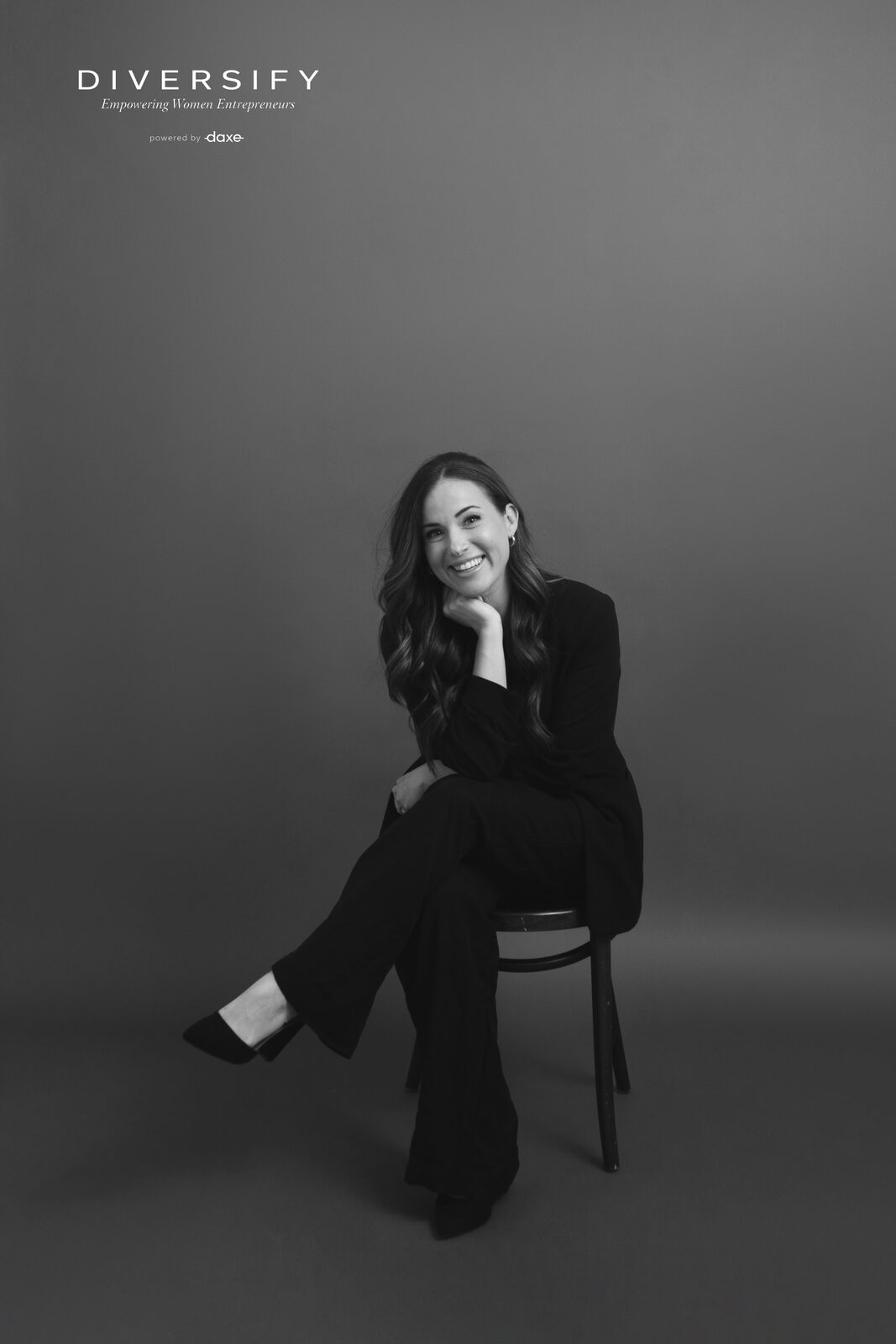
Portrait No. 001
Ashley Hunt
Co Founder & CEO
Pancea Health
Raised — Pre-Seed: $655,000
My cofounder, Justine Luong, and I both experienced debilitating back pain in college — pain that disrupted our ability to focus, move freely, and live fully. But for me, it was even deeper. I grew up watching my mom struggle with chronic lower back pain and addiction. And she ultimately passed away from an accidental opioid overdose when I was a senior in highschool. That experience shaped everything. I saw firsthand how limited access to preventative care, education, and affordable support can push people toward reactive, and sometimes harmful solutions. We started Pancea to change that trajectory. To make pain prevention and relief accessible, affordable, and proactive. Living pain-free should not be a privilege reserved for those who can afford expensive care; it should be a standard of living. Today, we bridge the gap by offering scalable digital programs for accessible support, alongside personalized in-person care at Functional Practice for those seeking deeper intervention.
In her words
“It should not be a privilege to move better, feel better, and live without pain. At Pancea, we are on a mission to make muscle, back, and joint pain prevention and relief accessible to all.”
Chapter I
The toughest challenges you've faced as a founder.
The toughest challenge I’ve faced as a founder has been protecting my intuition, and not losing my voice in the noise. You start a company with clarity. Then the market hits. Advice pours in. Plans fall apart. As a female founder, I’ve felt the subtle pressure to shrink, defer, or “listen harder” instead of trusting what I already knew. Guarding my conviction while staying coachable has been a constant balance. In late 2023, we were raising our seed round when the VC market froze. I couldn’t close the round. At the same time, a cofounder relationship and friendship fell apart. This all happened at the same time I had just experienced a miscarriage. It felt like everything was collapsing at once. A year later, after having my son and while rebuilding the company, I was diagnosed with smoldering multiple myeloma. That diagnosis stopped me in my tracks. It forced radical clarity: what matters, what doesn’t, and what I’m truly here to build. We pivoted to hybrid MSK care, signed our largest corporate contract to date, and are opening a San Francisco location this month. I have realized sometimes resilience isn’t about pushing harder. It’s about getting clearer, and rising anyway.
Chapter II
Your vision.
I am obsessed with solving the gap between pain and knowing what to do about it. Millions of people experience back, joint, and muscle pain every day and their first instinct is fear. Fear that they’ll need surgery. Fear they’ll have to stop working. Fear that their body is breaking down. Most don’t have immediate access to clear, trustworthy guidance, so they wait or escalate into expensive, reactive care. We are building a world where musculoskeletal education and prevention are democratized. Where anyone, anywhere, at any time can understand their pain and take confident action. I’ve watched people go from debilitating back pain, believing their careers were over to moving freely, working confidently, and thriving again. That transformation shouldn’t be rare. The change we’re enabling is simple but powerful-fewer people living in fear of their bodies, and more people equipped to move, feel, and live better on their own terms.
Chapter III
The impact you want to leave behind — for your industry, your community, and the women who come next.
Thirty years from now, I hope to have helped redefine who leads and how. I want more women starting companies, owning their voice, and building boldly without shrinking themselves. Women are intuitive, resilient, and deeply capable leaders, and the world needs more of us at the table. I also hope to be part of the movement that democratized health education. Making it normal for people everywhere to understand their bodies, prevent pain, and advocate for their wellbeing. If more people move confidently and more women lead unapologetically, that’s a legacy I’ll be proud of.