
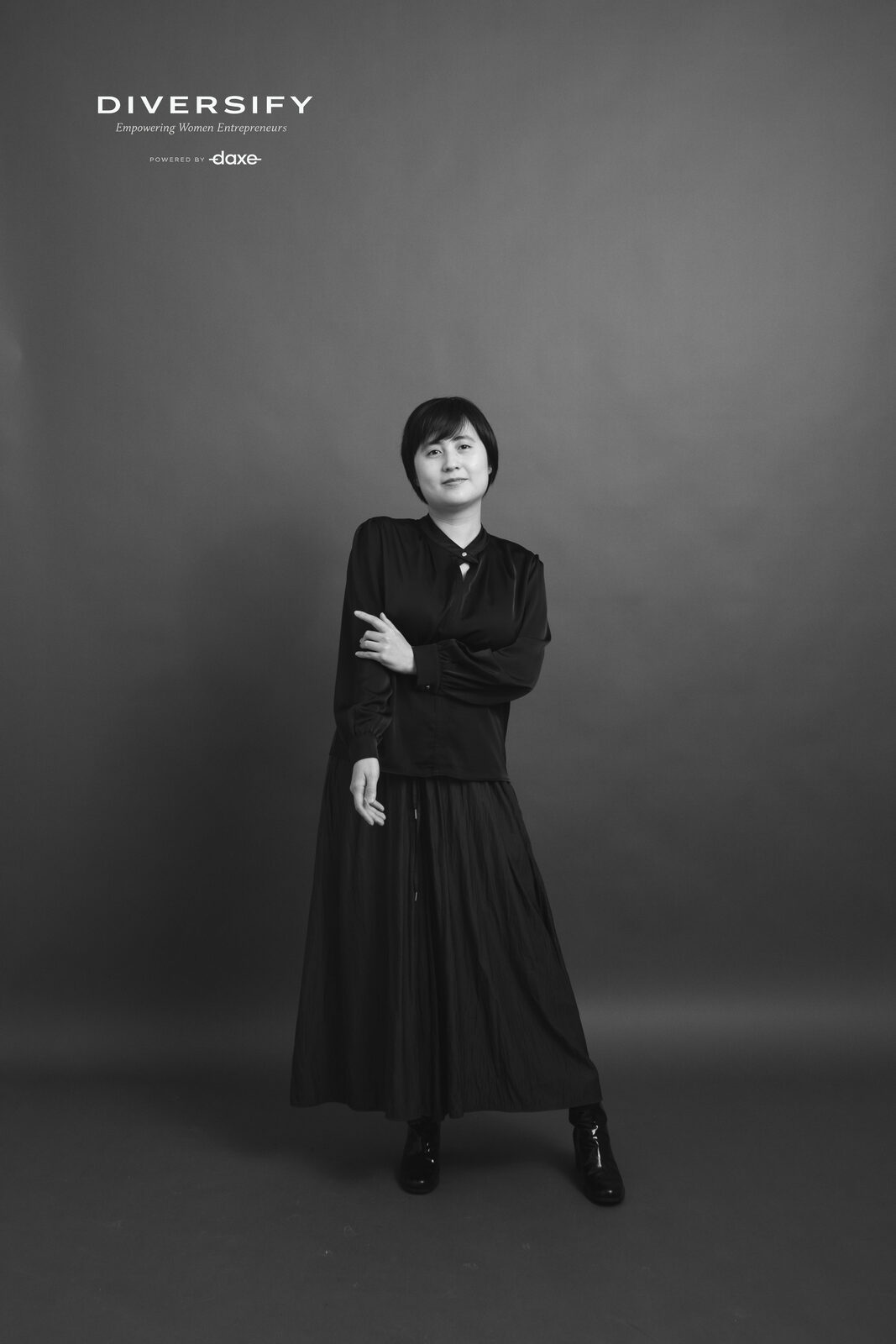
Portrait No. 001
Charlene Wang
Co-Founder & CEO
Ember AI
Raised — $4.3M
I founded Ember because US healthcare is broken. When I was pregnant, I noticed that several of my claims had been wrongfully denied. My hospital didn't catch them. They sent me the denial letter, and I appealed it myself. Then, two months before my due date, my hospital went out of network. I had to choose: find a new delivery hospital or max out my out-of-pocket costs. Thankfully, I knew how to read policies, write appeals, and win. Most patients don’t. And the hospitals and practices trying to care for us are drowning too. Hospitals spent billions on managing the revenue cycle every year, yet they still struggle to keep up with the pace of new policy changes and denials at scale. That's why I am building Ember: to help prevent denials and give patients the timely care they deserve.
In her words
“Hospitals spent billions on managing the revenue cycle every year, yet they still struggle to keep up with the pace of new policy changes and denials at scale.”
Chapter I
The toughest challenges you've faced as a founder.
The biggest challenge? Earning trust in a market that doesn't give it to startups. We're a team of 10 competing against legacy healthtech giants for deals with billion-dollar healthcare organizations that are terrified of change. Early on, enterprise buyers told us point-blank: \"You're too small. Come back when you have scale.\" So we built proof they couldn't ignore. When we engaged with the US Department of Veterans Affairs, we built custom demos and secured buy-in from every stakeholder. In just three weeks, we received an official letter of intent from the largest healthcare organization in the US. Being a new mother made it harder. I was back on the road visiting customers a month after delivery—not because I had to prove anything, but because our customers needed us. My team went deep: we don't just read insurance policies, we analyze millions of claims to decode the shadow rules payers actually use. We've now processed $500M in claims, helped partners recoup millions in underpayments and denials, and raised $4.3M from Nexus Venture Partners and Y Combinator. On average, our partners see denials drop 25% within three months. That's how we win business from multi-billion-dollar companies: we deliver value impossible to ignore.
Chapter II
Your vision.
I'm obsessed with fixing the problem that billions of healthcare dollars get trapped in administrative hell. Right now, providers spend more time fighting insurance companies than caring for people. Prior auths take weeks. Claims have errors. Appeals sit in queues. Patients delay treatment because no one knows if it'll be covered. This isn't just a billing problem. It's a patient access problem. We're building the infrastructure to make that real: AI that learns each payer's rules, catches errors before submission, and appeals with the precision of a healthcare attorney. In practice, a surgeon gets to focus on surgery, not paperwork. Prior authorization happens in the background while the patient books their appointment. The endgame? Resources go to patients. Providers and payers trust each other. That's the change I'm building toward—one where getting paid for good care is the easy part.
Chapter III
The impact you want to leave behind — for your industry, your community, and the women who come next.
Thirty years from now, I want my son to grow up in a healthcare system where no one needs special expertise to fight their own hospital bills. I want him to see doctors who practice medicine, not paperwork, unlike the late nights his grandparents went through. I want his generation to access care without fear, surprise bills, or needing an expert to navigate insurance. The legacy I'm building is a healthcare system that works for people, not against them. Where the smartest technology handles the bureaucracy, so the best doctors can focus on healing. That's the world I'm building for.