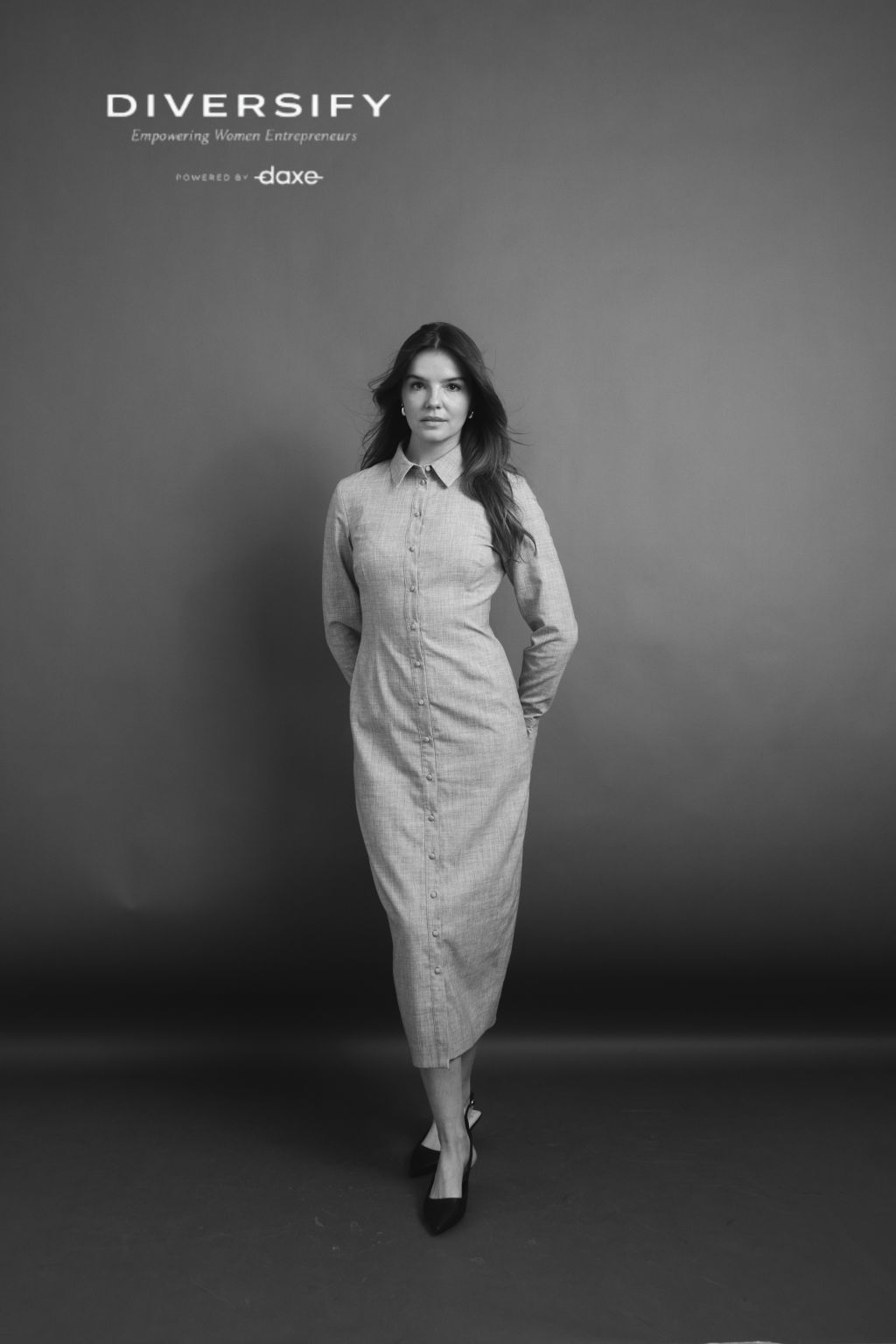
Portrait No. 001
Erica Lansman
Founder
AskPetal
I started AskPetal during my 8 years training for Ironman races and endurance sports, using 4-5 different apps to perform and feel my best, and still felt blindsided by my own body. Some weeks I was powerful and sharp; others I was exhausted, anxious, getting injured, or under fueling. No coach, doctor, or wearable could explain why. The data existed, resting heart rate, HRV, sleep, cycle tracking, but no one connected it to my hormonal physiology, and told me how to adjust in real time. Most female tracking apps are generic, about pregnancy and periods, and Reddit and TikTok are flooded with misinformation. The turning point came when I realized how deeply under-researched and misunderstood women’s bodies are in everyday health. How do hormones impact daily life, outside of just pregnancy and periods? Why isn't there a central place for women I can ask these questions? As a founder, endurance athlete, and lifelong data-optimizer, I couldn’t ignore the gap. I'm passionate about creating a world where women feel deeply understood and have an easily accessible way to understand how their hormones are the core of everything. Why now? Women finally have the wearables, AI infrastructure, and cultural momentum to demand health systems built for us, not adapted from men.
Chapter I
The toughest challenges you've faced as a founder.
The hardest part of this climb has been building in a system that was never designed for us. As an endurance athlete, I trained for 100-mile rides, Ironmans 70.3s, and the NYC Marathon, and realized men never have to factor in bleeding, iron loss, cramps, thermoregulation shifts, or luteal-phase fatigue on race week. There’s no “cycle adjustment” in most training plans. You’re told to push through. I tried. I overrode symptoms. I under-fueled. I blamed myself. The real challenge wasn’t physical, it was psychological. Feeling like my body was unpredictable or “less reliable” because no one had mapped performance to female physiology. So I built what I needed for the millions of other women who are also lost in the journey. I translated sports science into cycle-aware training protocols, integrated wearable data with hormonal patterns, and began designing infrastructure instead of hacks. We’ve built early traction with a waitlist, raised $500K+ in pre-seed capital, and partnered with medical advisors from Johns Hopkins and Harvard. The climb has been unlearning male-default performance models,and proving women don’t need to train like men to win. We need systems built for our biology. And we’re building them at AskPetal.
Chapter II
Your vision.
My vision is closing the physiological data gap for women. For decades, performance science, clinical research, and product design have defaulted to male biology, and women have been told their fluctuating energy, mood, metabolism, and recovery are “inconsistent” or inconvenient. The change I want to enable is a world where a woman understands her body. Where wearable data is translated through hormonal context. Where doctors, coaches, and partners speak the language of female physiology fluently. When that happens, women stop blaming themselves for normal hormonal shifts. They train smarter. They prevent burnout. They advocate earlier. They build businesses, families, and athletic careers without feeling like their biology is a liability. The world doesn’t need another wellness app. It needs infrastructure that treats women’s bodies as a dynamic system, not an exception. That’s the future I’m building toward.
Chapter III
The impact you want to leave behind — for your industry, your community, and the women who come next.
Thirty years from now, I hope the idea of “pushing through” your biology feels outdated. If I’ve contributed anything meaningful, it will be normal for girls to grow up understanding their hormonal rhythms as a source of intelligence, not disruption. Research, product design, coaching, and medicine will treat female physiology as foundational data, not a niche variable. I want future women to inherit systems that mirror their bodies, cyclical, adaptive, powerful. The legacy I care about isn’t scale for its own sake. It’s restoring trust between women and their bodies, and making that trust structural, not personal.