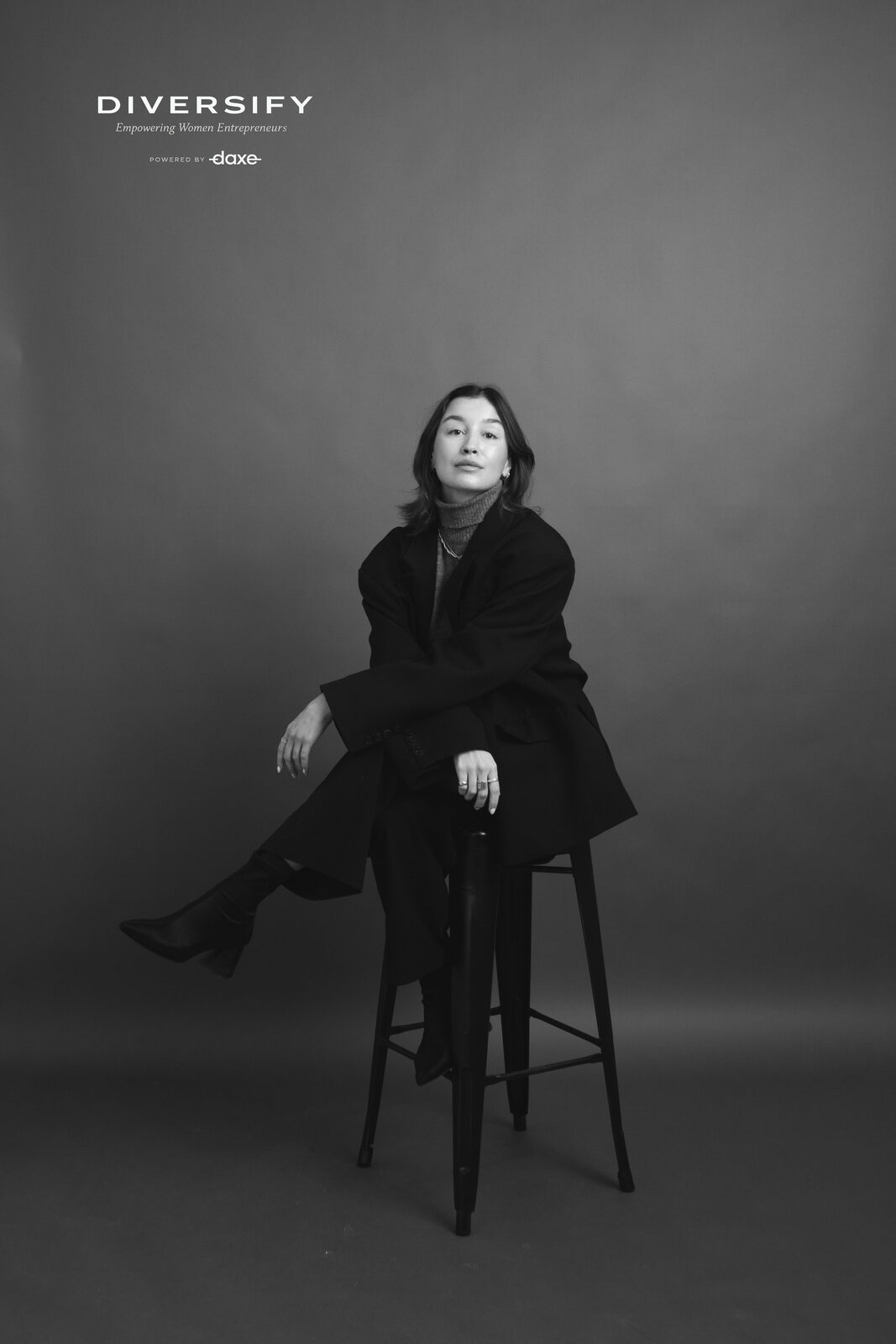
Portrait No. 001
Karina Repko
Founder and CEO
nayla
Raised — $200K
I started nayla because I’ve spent years watching women’s health be dismissed and fragmented - including my own. After working in a clinic, I realized how disconnected everything was: you see five different doctors, get told your labs are “normal,” and still don’t feel well. Working at Circle Health showed me that functional, root-cause medicine works - but only for the privileged few who can afford it. That felt deeply wrong. Women deserve proactive, connected care - not symptom-chasing and Google searches. I started building nayla as the tool I wish I had: an AI-powered functional health companion that connects the dots between your gut, hormones, skin, and mood, and learns with you over time. Why me? I’ve lived this problem, built in this space for years, and understand both the science and the storytelling that women respond to. Why now? The timing has never been better - women are demanding better answers, AI finally enables personalization at scale, and consumer trust has shifted toward data-driven, community-rooted brands.
In her words
“Some days break you. Others remind you why you started. If you're committed with your whole heart, you keep going.”
Chapter I
The toughest challenges you've faced as a founder.
Building Nayla has been the hardest and most transformative thing I’ve ever done. I started alone, bootstrapping from my savings while pitching investors who mostly didn’t understand women’s health or why I cared so much about hormones and gut data. I’ve been told the market was “too niche” more times than I can count — usually by men who’ve never had to Google their symptoms for years. Still, I built. I taught myself product design, grew a 1.5K-woman waitlist organically, onboarded 70 beta users, and raised from angels and a16z scouts - all without a team (only a co-founder) or paid marketing. The toughest challenge has been building credibility in a space that often dismisses women’s pain while operating across continents — fundraising in SF, managing tech in Europe, and protecting user data under conflicting U.S. and EU laws. But the struggle proved our resilience: we’re now a Delaware C-Corp with real traction, global users, and a movement of women who finally feel seen.
Chapter II
Your vision.
I’m obsessed with fixing the broken system that treats women’s health as an afterthought — where symptoms are normalized, data is fragmented, and women are told to “just manage it.” Our vision is to create a world where every woman understands her body as well as her phone does — where gut issues, hormonal swings, mood changes, and skin flare-ups aren’t mysteries but signals her health twin helps her decode. Nayla will enable the shift from reactive to preventive, from isolated care to integrated health. We’re not just building an app — we’re building the infrastructure for personalized, root-cause medicine that learns from every woman’s data and gives her control back. The change we want to see: women finally being heard, healed, and understood — through technology that sees them fully.
Chapter III
The impact you want to leave behind — for your industry, your community, and the women who come next.
Thirty years from now, I want to look back and know we helped rewrite the story of women’s health. That we built something that made woman know their symptoms aren’t “in their head,” and that their bodies aren’t problems to fix but systems to understand. If Nayla succeeds, preventive and functional health will no longer be a privilege — it’ll be the standard. Women will have the tools, language, and data to advocate for themselves. My legacy isn’t just a company. It’s a generation of women who finally feel at home in their bodies.