Portrait No. 001
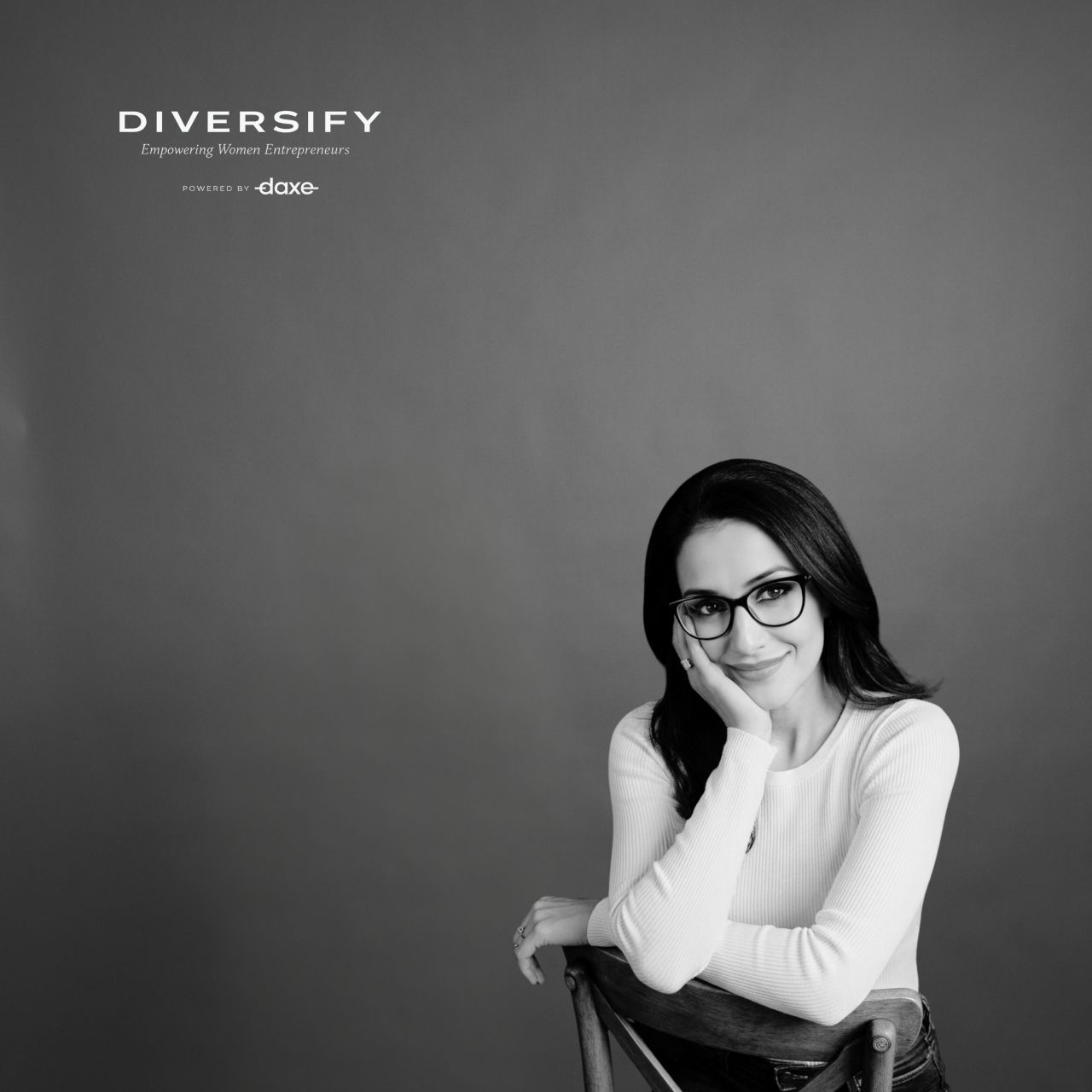
Kathryn Vatt
Founder & CEO
moatly™
Raised — Bootstrapping
After fifteen years as a United States Patent Examiner and almost three decades working in intellectual property, I believed the system was helping innovators protect their ideas. That belief shifted last year while judging at pitch competitions across the country. I watched brilliant founders present powerful technologies, yet many had little understanding of intellectual property or had unknowingly jeopardized their rights before even stepping on stage. What struck me most was how disproportionately this affected female founders. Many were building extraordinary companies while navigating a system that had never truly been designed to educate or support them in protecting what they were creating. It became impossible to ignore. I realized that the startup ecosystem is deeply disadvantaged when it comes to accessible intellectual property education and protection. I started my company to democratize both, so founders, especially women, can secure the ideas they are pouring their lives into.
In her words
“As a mother of 7 and a former United States Patent Examiner, I have spent my life thinking about the future. The innovations we protect today shape the world our children inherit tomorrow. My mission is to democratize intellectual property education and protection so the power to build the future is not limited to those who understand the system, but available to every person brave enough to imagine something new.”
Chapter I
The toughest challenges you've faced as a founder.
Building a company as a mother of seven in a male dominated field has not been easy. I have been in rooms where people assumed I was the assistant, or where I was told directly that I should go home and take care of my children instead of building companies. Those moments could have pushed me out of the room, but instead they strengthened my resolve to stay in it. Intellectual property and venture ecosystems are still overwhelmingly male dominated, and many founders, especially women, are navigating systems that were never designed with them in mind. I have had to build credibility again and again, even after fifteen years as a United States Patent Examiner, scientist, and almost three decades working in intellectual property. But resilience has always been part of my story. While raising seven children, I went to grad school, built my career, founded my company, and grew a global network of almost 100k innovators, founders, and investors who believe in democratizing access to intellectual property protection. Every barrier I have faced has reinforced my mission: to make sure the next generation of founders, especially women, never have to fight as hard just to be taken seriously.
Chapter II
Your vision.
am obsessed with one problem: the people who imagine the future are often the least equipped to protect it. Every day, founders pour their lives into building something new. Yet many unknowingly lose ownership of their ideas before they ever launch because intellectual property education and protection remain inaccessible, opaque, and often prohibitively expensive. This is not just a legal problem. It is an innovation problem. When only those who understand the system can protect their ideas, the future becomes shaped by access rather than imagination. My vision is a world where every innovator, regardless of background, has the knowledge and tools to secure what they build. When intellectual property protection becomes accessible and understood early, founders can focus on creating, scaling, and solving the world’s biggest problems without fear of losing what they worked so hard to build.
Chapter III
The impact you want to leave behind — for your industry, your community, and the women who come next.
Thirty years from now, I hope the idea that founders once built companies without understanding how to protect their innovations feels unimaginable. My legacy would be helping create a world where intellectual property education and protection are accessible to everyone, not just those who can afford expensive legal guidance. I want future founders, especially women and underrepresented innovators, to walk into rooms with confidence, knowing how to safeguard what they are building. If I succeed, the next generation will not have to fight just to keep ownership of their ideas. They will simply build, create, and shape the future.