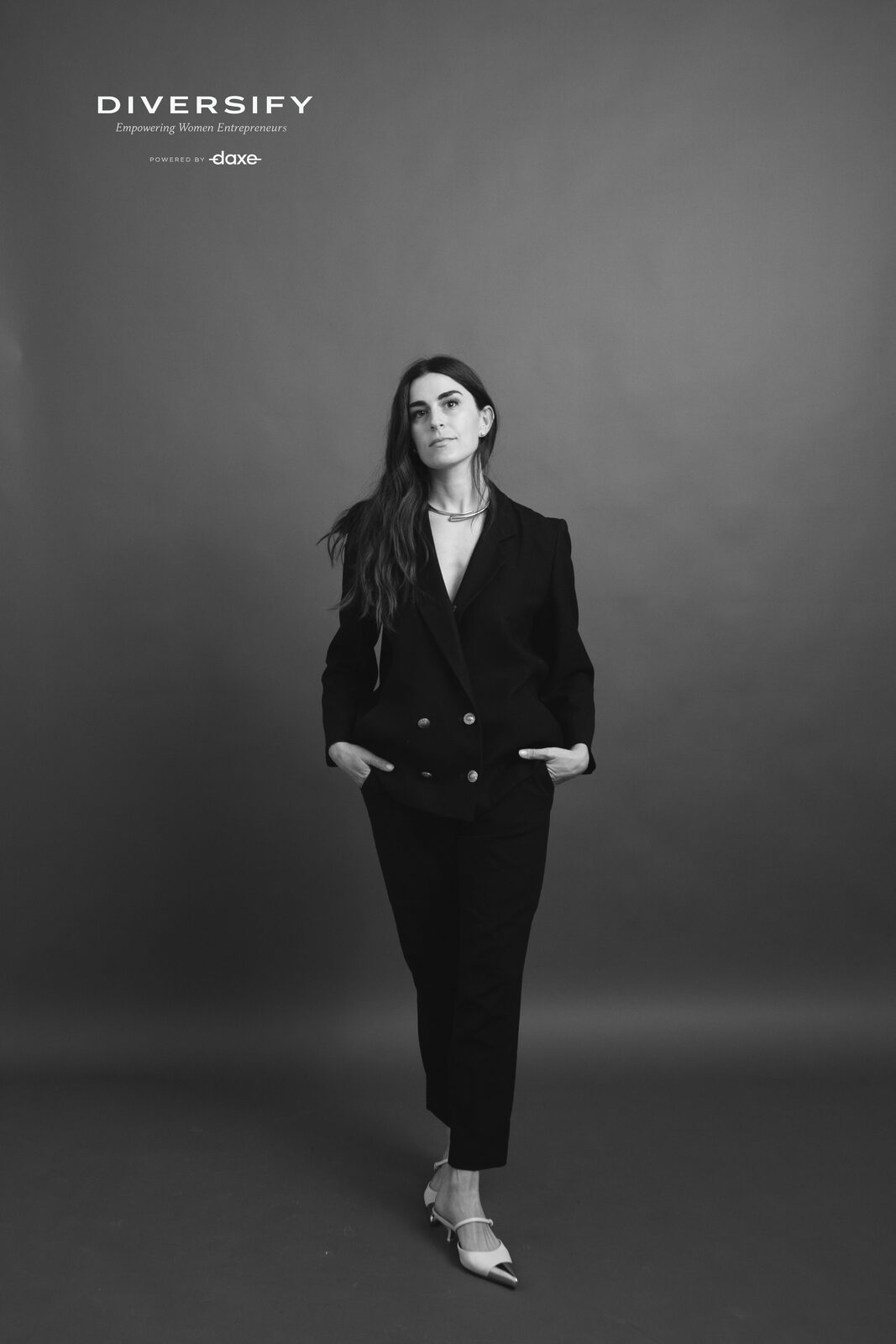
Portrait No. 001
Lauryn Menard
Founder & CEO
GOB
I started GOB after more than a decade designing consumer products and leading biomaterial innovation for major global brands. Across every category, I saw the same blind spot. The most frequently used, most intimate products were made from the cheapest, most toxic materials, treated as disposable in every sense. Innovation was reserved for high-visibility, high-margin products, while single-use personal care was ignored. The turning point was realizing this was not a technical limitation. Better materials already existed. They simply were not being applied where they mattered most. As both a biomaterials specialist and an industrial designer, I knew I could change that. GOB is building the next generation of personal care by replacing overlooked single-use essentials with non-toxic, bio-based, design-forward alternatives, starting with earplugs. We treat materials as the product, not an afterthought. Think of GOB as the bio-based version of 3M. I am uniquely positioned to build this now because I operate at the intersection of material science, performance, and consumer behavior.
In her words
“I came up through industrial design, an industry that is only about 17 percent female, where you earn credibility by shipping real work.”
Chapter I
The toughest challenges you've faced as a founder.
The hardest part of building GOB has been the identity shift and the environment I’m building it in. I don’t come from money. I don’t have entrepreneurship in my family. I didn’t grow up around investors or safety nets. I came up through industrial design, an industry that is only about 17 percent female, where you earn credibility by shipping real work. When I became a founder raising capital, that hard-earned authority didn’t automatically transfer. As a woman CEO, I’ve experienced moments that were inappropriate, demeaning, and openly dismissive. Fundraising has required proving fundamentals I’ve already executed for years. What allows me to keep going is grit built over a lifetime of moving against the grain. I’m an endurance athlete, and I know how to push through discomfort without losing focus. That relentlessness, paired with deep experience in business development, has become an unfair advantage. While capital constrained, I secured early brand partnerships with AEG, Rivian, and even names like Billie Eilish! I launched revenue-generating products, built a real team, and closed a committed seed lead. The climb has been steep, but it has sharpened my execution and resilience.
Chapter II
Your vision.
I’m obsessed with one problem: the fact that the products people use every single day are still made from outdated, toxic materials simply because they are cheap and familiar. Biomaterials exist that are safer, higher performing, and more aligned with how we actually live, yet they are trapped in niche applications and luxury fashion where they never scale or matter. My vision is to make biomaterials mainstream by embedding them into the most universal, habitual products on earth. Earplugs, sleep tools, personal care essentials. Products that disappear after use, but quietly raise the standard for health, performance, and sustainability. GOB is not about a single product or category. It is about building a material-first platform that can be applied across countless everyday use cases. I want to build the bio-powered version of 3M, a company where material innovation drives function at scale, and where better materials become the default rather than the exception.
Chapter III
The impact you want to leave behind — for your industry, your community, and the women who come next.
Thirty years from now, I want GOB’s legacy to be helping eliminate our dependence on plastics in the products we touch every day. I want us to look back and shake our heads at how normal it once felt to put petrochemical foams, films, and adhesives in our ears, mouths, and on our skin without question. If I succeed, biomaterials will have replaced plastics as the obvious default. The change I want to spark is cultural as much as industrial. A shift where convenience no longer justifies harm to our health, and where performance no longer relies on extraction (because why are we mining dinosaur bones to put them into our mascara?).