
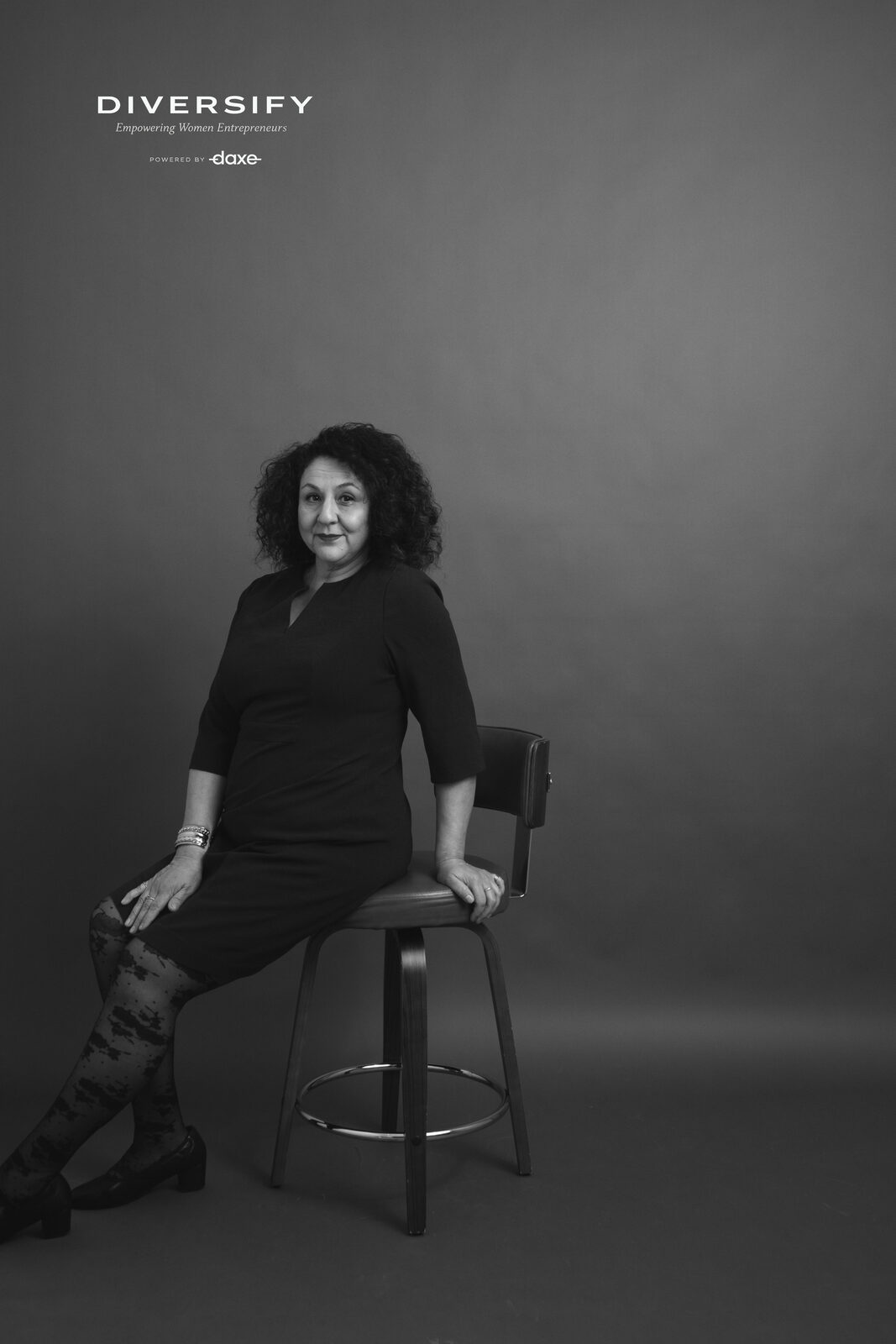
Portrait No. 001
Loretta Jimenez
Founder
QuaintAI
I am a double minority woman founder whose work is shaped by surviving complex childhood trauma and navigating systems never built for people like me. Despite early disruptions in education, I became a self-directed learner and built a decades-long career in technology. I entered tech in the 1990s with no formal pathway or social capital, rising into engineering leadership, managing teams, designing products, and contributing ideas often ahead of their time — including as a named inventor on four AI patents — frequently as the only woman and one of very few people from my background in the room. Now is the moment I can bring my vision to life. Advances in AI finally make it possible to realize the product I imagined. I founded QuaintAI to take control of my ideas, pursue fulfilling work, and create a better future for my family. The company reflects my perspective as a minority woman in tech, designed to be inclusive and sensitive to overlooked experiences.
In her words
“As a woman of color in tech, I built through systemic skepticism, without generational wealth, institutional protection, or time to recover.”
Chapter I
The toughest challenges you've faced as a founder.
I founded QuaintAI in February 2020—weeks before the pandemic shut the world down. Overnight, I was locked inside with my three children, managing full-time caregiving, remote schooling, and survival while building a tech company with no margin for error. That same year, my father died alone in a state facility. I wasn’t allowed to see him or say goodbye. Months later, my 14-year-old nephew drowned during pandemic beach closures. Grief was constant, but stopping wasn’t an option. In 2021, our family lost our dog, and my husband became unable to work. Housing insecurity followed. By 2023, eviction proceedings threatened stability again. In 2024, I moved twice in four months while navigating job loss—still carrying caregiving and financial responsibility. As a woman of color in tech, I built through systemic skepticism, without generational wealth, institutional protection, or time to recover. What sustained QuaintAI was grit, clarity of vision, and execution. I’m a named inventor on four AI patents, and I built QuaintAI because ownership, autonomy, and a better future for my family weren’t optional. Turning survival into strategy became my greatest strength.
Chapter II
Your vision.
Beauty should never make anyone feel like an afterthought. I founded QuaintAI to create a space where every user feels seen, celebrated, and cherished for exactly who they are. Curly hair, thinning hair, chubby, Black, Asian, trans, or even hetero men — everyone’s beauty needs are unique, and QuaintAI honors them all. The platform combines AI and immersive technology to deliver experiences that are personal, delightful, and empowering. Users interact with their virtual beauty assistant in virtual spaces they can make their own — exploring, experimenting, and expressing themselves without limits. My vision is a world where beauty is inclusive, accessible, and affirming. QuaintAI turns personalization into presence, ensuring no one feels second-class, overlooked, or excluded. Every interaction is a reflection of the individual, celebrating identity, self-expression, and choice — creating a digital world where everyone belongs, and every version of beauty matters.
Chapter III
The impact you want to leave behind — for your industry, your community, and the women who come next.
Thirty years from now, I want a world where technology doesn’t force anyone to fit a narrow mold — where every woman, person of color, and diverse identity has a space where their beauty, choices, and self-expression are celebrated. QuaintAI will be remembered not just for innovation, but for showing that a company led by a minority woman can redefine inclusion and empowerment in tech and beauty. As it succeeds, it will be beautiful in its giving back — supporting women, underrepresented founders, and inclusive initiatives — making generosity and care part of the experience itself.