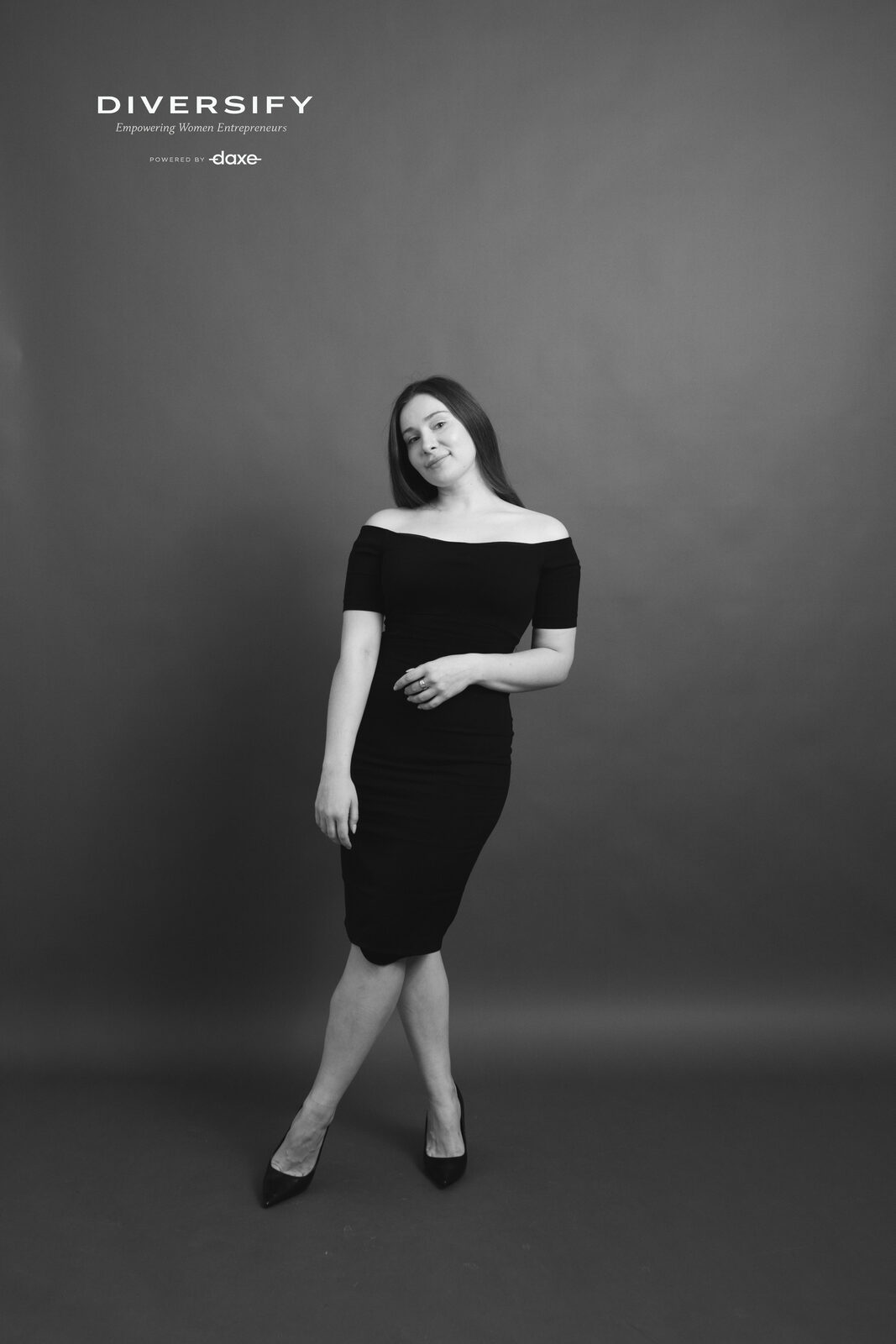
Portrait No. 001
Maryna Rybakova
Founder
Artsted
I started Artsted because I experienced firsthand how broken the art world’s “opportunity pipeline” is. As a young immigrant artist and curator, I watched incredibly talented people get overlooked—not because their work lacked quality, but because the system runs on insider access, opaque pricing, and gatekeeping. Artsted began as a deeply personal response to that injustice: a platform to make the art economy more transparent, data-driven, and creator-first. We’re building modern e-commerce infrastructure for emerging art—where artists, galleries, and cultural organizations can actually grow sustainably, not just survive on prestige. I founded Artsted at the intersection of culture and technology because I believe art deserves better tools: tools that match the ambition and value of the creators shaping the future.
In her words
“I started Artsted because I experienced firsthand how broken the art world’s “opportunity pipeline” is.”
Chapter I
The toughest challenges you've faced as a founder.
Building Artsted has been the hardest thing I’ve ever done—not because the vision isn’t clear, but because doing it as a woman and immigrant founder in a historically closed industry means constantly pushing uphill. I’ve built across two worlds that rarely speak the same language: contemporary art and venture-scale technology. In art, innovation is often underfunded. In tech, culture is often misunderstood. I’ve had to earn trust from both sides while building with limited resources and no inherited network. There were moments when I was running major cultural initiatives in Milan (REA ART FAIR, spanning 5 editions, thousands of visitors and hundreds of stakeholders) while also trying to scale a startup internationally, handling product, partnerships, fundraising, and operations myself. Add visa uncertainty, financial pressure, and the emotional weight of being “the only one in the room” far too often, and resilience becomes non-negotiable. Despite that, Artsted has grown into a recognized platform with real institutional collaborations, global community traction, and a bold new model for art commerce. I guess getting on Forbes 30 Under 30 Europe 2025 was also a big boost.
Chapter II
Your vision.
I’m obsessed with solving one problem: the art world should not be accessible only to insiders. Today, artists and emerging galleries operate in an economy built on opacity - unclear pricing, limited distribution, and networks that exclude more people than they include. Meanwhile, the tools powering commerce everywhere else are decades ahead. Artsted exists to change that. We’re building the next-generation infrastructure for cultural e-commerce: a platform where art can move through the world more freely, where creators can monetize sustainably, and where technology supports artistic ecosystems instead of extracting from them. The change I want to enable is simple but radical: a future where talent matters more than gatekeepers, where cultural value translates into real economic opportunity, and where the next generation of artists can build careers with ownership, scale, and dignity.
Chapter III
The impact you want to leave behind — for your industry, your community, and the women who come next.
I want my work to be part of the generation that modernized the cultural economy - where art is not locked behind gatekeepers, inherited networks, or opaque systems. My hope is that 30 years from now, artists and cultural entrepreneurs, especially women and immigrants, will have real infrastructure to build wealth, visibility, and independence through their work. I want the next generation to grow up in a world where creative talent is treated like economic value, not a luxury.