
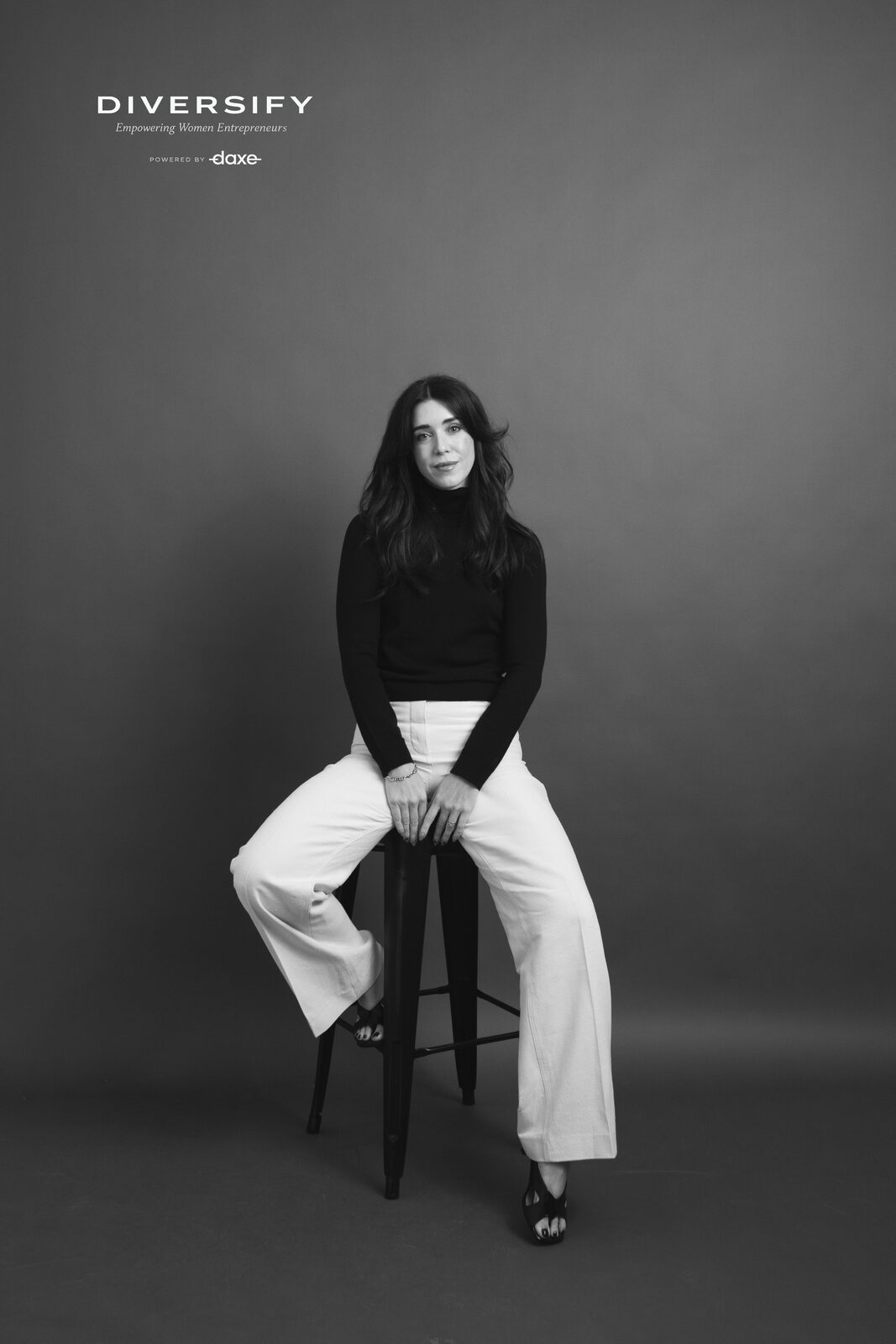
Portrait No. 001
Melyn McKay
Founder, CEO
Coala Pay
For 15 years, I worked in humanitarian aid across fragile states. The turning point came in Myanmar during the military coup. I was advising an EU/UNOPS program when financial channels were severed overnight, leaving local partners and staff unpaid. Recognising this pattern from my time in Syria and South Sudan, I realised that traditional banking cannot support modern humanitarian crises. There was a moral imperative to intervene. I founded Coala Pay to build protection-informed finance rails for the sector. My mission is to ensure that systemic banking fractures never again stop aid money from getting where it is needed most.
In her words
“My mission is to ensure that systemic banking fractures never again stop aid money from getting where it is needed most.”
Chapter I
The toughest challenges you've faced as a founder.
On paper, I shouldn't be here. I grew up in rural northern Utah in a house with wood stove for heating. I got a degree in Anthropology. That meant I entered the tech world with no coding skills and no connections. But I knew the problem better than anyone. I leveraged that insight to recruit a world-class team, including experts who led $400M in aid post-Taliban Afghanistan and $900M World Bank projects in Yemen. Together, we forced a paradigm shift in the aid sector. We have successfully taken massive organisations through the change management required to move and manage public funds onchain. We have secured contracts with aid sector behemoths like Caritas and Save the Children; we even won a multi-year Global Framework agreement with the Norwegian Refugee Council enabling us to work with all 40 of their country teams. We didn't rest on our inside aid sector advantage - we built a system which is 99% faster and 85% cheaper than traditional banks. Despite having started my career in a tiny public health clinic on a hill in Burundi (East Africa), and the statistics working against solo female founders, I raised $4.3M from top investors like Castle Island, Lattice Fund, and Commerce Ventures, and went from an outsider to the architect of the future of aid.
Chapter II
Your vision.
I am obsessed with dismantling the 'imperialist railroad' model of modern banking. Traditional finance was built to extract value from places deemed profitable, not to deliver support to places in crisis. This outdated architecture means US banks stumble over Burmese names while funds sit idle and humanitarian needs mount. I refuse to accept a system where a local first responder must choose between receiving funds to save their community or risking detention, torture, and death because a bank transfer flagged them to an oppressive regime. My company is using Web3 to erase these structural biases. In an era where humanitarian workers face unprecedented risks, we are building protection-informed rails that ensure international aid is as seamless and personal as mutual aid. We will enable a world where geography no longer dictates financial access, ensuring that safe, secure funds reach the frontlines instantly - reminding us of our shared cause, no matter the distance.
Chapter III
The impact you want to leave behind — for your industry, your community, and the women who come next.
I want to prove that 'protection' isn't just a product we build; it is how we operate. I want to be remembered for building critical global infrastructure while fiercely advocating for the mothers and women building it. By instituting salary bands to close gender gaps and prioritising paid parental leave from day one, I am proving that care is a competitive advantage. We tackle heavy, difficult work. I want to prove that you can disrupt outdated structures while building a workplace of deep empathy. Thirty years from now, I want my team to say they were cared for while they revolutionised the aid sector.