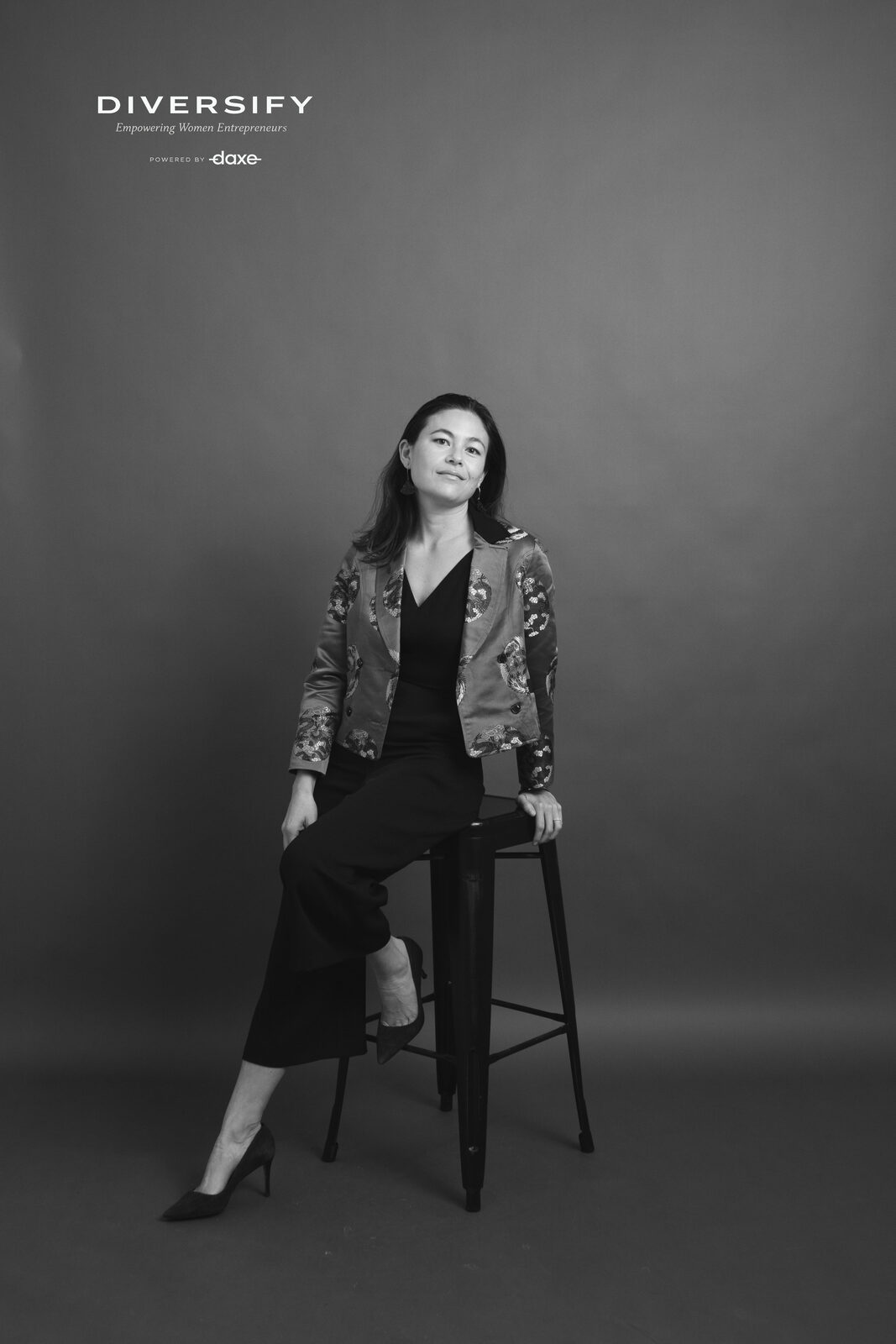
Portrait No. 001
Mika Eddy
Founder/CEO
Malama
Raised — $9.2m (including $3.5 in non dilutive NIH and state funding)
Malama began during my own high-risk pregnancy. I had access to extraordinary clinicians, data, and support — and I still felt tremendous fear and anxiety between appointments. I realized how isolating pregnancy can be, especially when something is labeled “high risk.” Around the same time, several friends and close family members were having traumatic births — with several close calls. It became painfully clear that preventable complications are not just clinical failures; they are systemic gaps in support, navigation, and trust. I had spent over a decade working across healthcare, life sciences, and technology, including time at UnitedHealthcare, and I knew the pieces existed — doulas, remote monitoring, prevention programs — but they weren’t working together. Malama was born to bridge that gap. We believe pregnancy should be safe, supported, and empowering — not scary. And because too many women, especially those without a voice or platform don’t get the care they deserve.
In her words
“We bootstrapped early traction, secured NIH funding (a <1% acceptance rate), earned CDC recognition, went live with major Medicaid plans, and grew revenue nearly 10x year-over-year — all while staying cash-flow positive.”
Chapter I
The toughest challenges you've faced as a founder.
The toughest part of building Malama hasn’t been the product — it’s been navigating power structures while building something that primarily serves (underserved groups including) women. I fundraised for Malama while pregnant. I pitched investors between OB appointments. I built the early version of our platform while waking up at night with newborns. More than once, I was asked if maternal health was “big enough” or “venture-scale.” I was told Medicaid was too hard. That doulas were “nice to have.” That pregnancy wasn’t a real tech category. Meanwhile, women were still dying from preventable causes. As an Asian American founder who didn’t grow up in the U.S., I’ve often been underestimated — soft-spoken, maternal, “mission-driven.” But grit doesn’t have to be loud. We bootstrapped early traction, secured NIH funding (a <1% acceptance rate), earned CDC recognition, went live with major Medicaid plans, and grew revenue nearly 10x year-over-year — all while staying cash-flow positive. The climb has required resilience, humility, and conviction. Building in Medicaid maternal health is not the easy path. But it’s the one that matters most.
Chapter II
Your vision.
I am obsessed with these micro moments - where time slows down, when everything stops. That stretch of time when a pregnant woman feels something isn’t right… when her blood sugar spikes at 10pm… when anxiety creeps in at 3am… when discharge papers are handed to her and she goes home alone with a newborn. Modern maternity care is episodic. Life is not. Malama exists to make pregnancy and postpartum feel safe, not scary — especially for women who are clinically or socially high-risk. We believe no mother should navigate gestational diabetes, hypertension, housing instability, or postpartum depression without continuous support. The change we are building toward is simple but radical: a world where every woman has a real care team in her pocket — doulas, data, guidance, and connection — not just appointments. When mothers feel supported, babies are healthier. When babies are healthier, families are stronger. And when families are stronger, entire communities thrive.
Chapter III
The impact you want to leave behind — for your industry, your community, and the women who come next.
Thirty years from now, I hope Malama helped rewrite what maternal care looks like in America. I want it to be unthinkable that a woman leaves a prenatal visit without support between appointments. Unacceptable that preventable complications are tolerated as “normal.” Obvious that doulas, data, and community belong inside—not outside—the healthcare system. If we succeed, maternal health won’t be episodic or reactive. It will be continuous, trusted, and equitable. Most of all, I hope future women feel safer becoming mothers than our generation does now — less afraid, more supported, and fully seen during one of the most vulnerable transitions of their lives. And I hope they feel like they can be a mother and start businesses, ignite change, reimagine systems from the ground up because they have the support in place to be able to dream.