
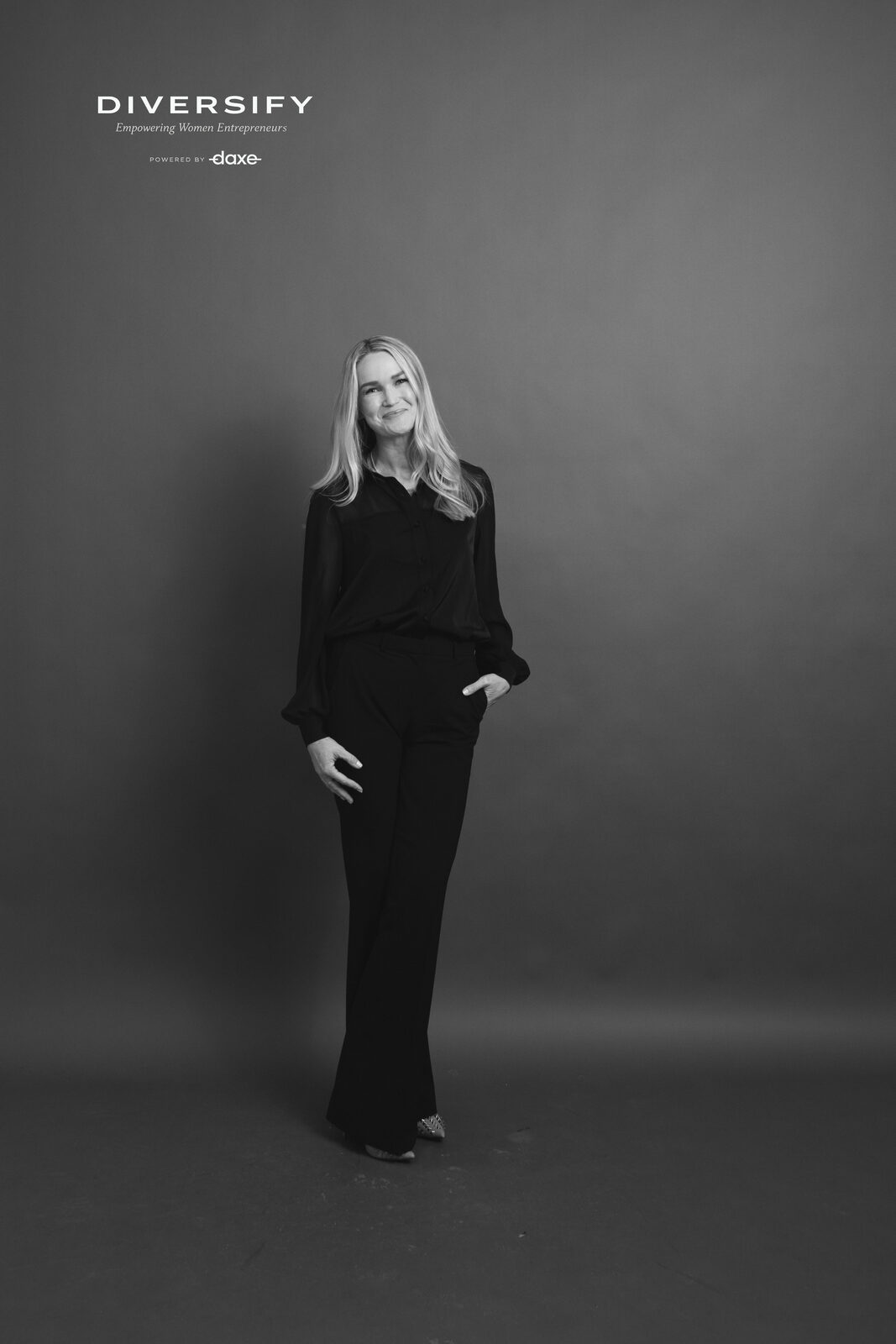
Portrait No. 001
Nicole àBeckett
Founder & CEO
HeroGeneration
Raised — $200k
I started HeroGeneration because I became a caregiver long before I was ready. My daughter was born just six weeks before my dad died from a 15 year battle with cancer. In the middle of new motherhood, I was suddenly navigating hospitals, decisions, and grief—while trying to keep working and hold everything together. I still had to care for my mom who had a terminal lung disease until she too passed six years later. For years, I lived in survival mode, juggling work, parenting, and caregiving with no guidance and no space to fall apart. What broke me wasn’t just the loss—it was realizing how invisible caregivers are, especially sandwich caregivers trying to care for children and aging parents at the same time. We’re expected to absorb it quietly, at enormous personal and professional cost. As someone who has spent her career in start-ups I knew we could do better for family caregivers. HeroGeneration exists because it shouldn’t be this hard. No one should have to choose between their family and their future—and I’m building the support I wish I’d had.
In her words
“HeroGeneration is building AI-led infrastructure for the next era of family caregiving—where families are supported, informed, and never navigating alone.”
Chapter I
The toughest challenges you've faced as a founder.
The hardest part of building HeroGeneration has been doing it while carrying the same caregiving and family responsibilities we’re solving for. I’ve built and scaled companies before, but this time I was also a mother, a caregiver, and grieving the loss of both parents. Fundraising while sleep-deprived, pitching while emotionally raw, and building while navigating systems never designed for caregivers—especially women—has been a constant test of endurance. I’ve felt the quiet bias of being seen as “too emotional” for building a serious company, while knowing that lived experience is actually our competitive advantage. What kept me going was turning pain into progress. We launched a live product, onboarded 200+ caregivers, generated early revenue, and earned validation from partners like AMN Healthcare and Senior Helpers—without a large team or big checks. I built momentum through scrappiness, trust, and listening obsessively to users. This climb has required resilience, creativity, and the willingness to keep showing up when it would have been easier to stop. I’m proud not just of what we’ve built—but of how we built it.
Chapter II
Your vision.
I am obsessed with solving the invisibility of caregivers. I sat through countless doctor’s appointments with my mom—sometimes pregnant, sometimes holding a newborn, always managing an aging parent on oxygen. I was there for every decision, every medication change, every emergency. And yet, not once did anyone turn to me and say: Here is your support. Here is your guidance. Here is your medicine for your soul. Caregivers are last-mile healthcare providers. We translate medical advice into real life, manage care at home, and hold families together—while working and raising children. But our systems treat us as invisible. HeroGeneration exists to change that. My vision is a world where caregivers are recognized, supported, and cared for alongside patients— IN the hospital, IN the doctor's office, IN the insurance plan— so no one carries the weight of care alone, and work and caregiving no longer have to compete for survival.
Chapter III
The impact you want to leave behind — for your industry, your community, and the women who come next.
Thirty years from now, I want to know that caregiving no longer forced women out of the workforce. I want caregiving to be recognized as a normal part of life—not a career-ending event. I want women to build, lead, and grow without being asked to choose between their families and their futures. If HeroGeneration succeeds, family caregivers will be seen early and supported in real ways, workplaces will be designed for real life, and healthcare systems will recognize family caregivers as essential partners in care. The legacy I want to leave is: women stay in the workforce, caregiving is no longer invisible, and no one has to carry the weight of care alone.