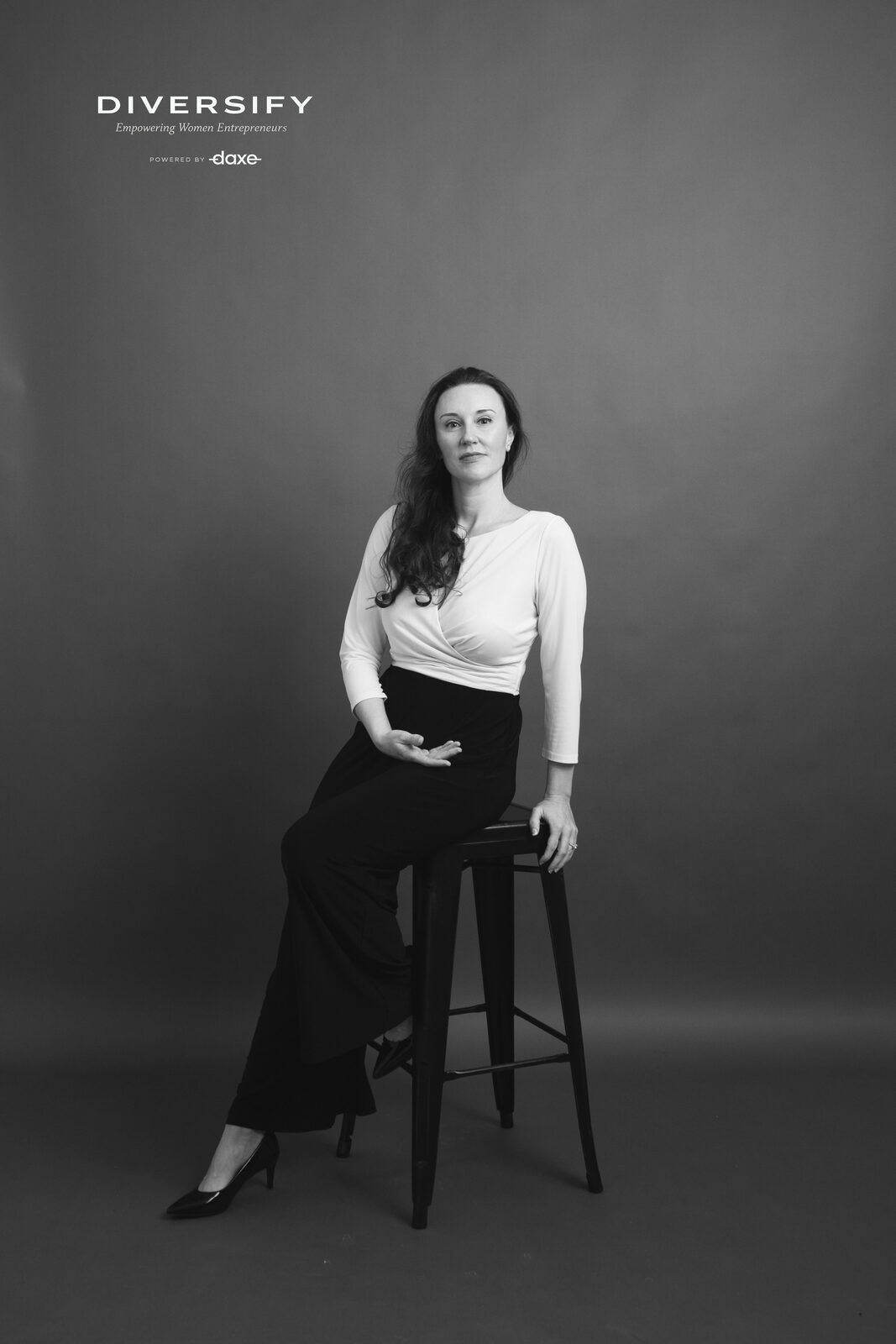
Portrait No. 001
Nicole Paulk
CEO, Founder, President
Siren Biotechnology
Raised — $32M
I started Siren Biotechnology after spending my career as one of the world’s leading scientific experts in AAV gene therapy and running into the same limitation over and over again: each gene therapy was built to treat one disease at a time. It was scientifically elegant, but it wasn’t scalable, and it wasn’t fast enough for patients who couldn’t wait. Siren was born from a simple but ambitious idea: what if one gene therapy could treat hundreds of diseases? We developed the world’s first universal AAV immuno-gene therapy platform, starting with solid tumor cancers, designed to dramatically shrink development time and cost while expanding patient access. Siren will also be the first to ever use an AAV gene therapy to treat patients with cancer, introducing an entirely new therapeutic modality to oncology. In the middle of building Siren, I was diagnosed with breast cancer myself. That experience sharpened everything. Siren exists to move faster, think bigger, and get transformative therapies to patients who need them --> now.
In her words
“I started Siren Biotechnology after spending my career as one of the world’s leading scientific experts in AAV gene therapy and running into the same limitation over and over again: each gene therapy was built to treat one disease at a time.”
Chapter I
The toughest challenges you've faced as a founder.
The toughest challenge I’ve faced as a Founder was leading a venture-backed cancer startup through a make-or-break regulatory moment (during a complete biotech funding winter) while my own cancer decided to make itself known. In the middle of filing Siren’s IND with the FDA, I was diagnosed with breast cancer and underwent a double mastectomy at 41. There was no option to slow down; this was THE inflection point for Siren we'd been building towards. So, I learned how to operate under extreme constraints: making executive decisions from a hospital bed and keeping the team aligned while I recovered (I learned that voice dictation is a godsend when you can't use your arms). That experience fundamentally sharpened why we're doing what we're doing, cancer is coming for us all. Despite everything, Siren executed. I raised $32M from top-tier VCs (Founders Fund, Lux Capital, and more) and over $5M in non-dilutive grants, secured FDA IND clearance, and now we're on track to dose patients in 2026, bringing the first-ever AAV gene therapy into oncology. Cancer put jet fuel on my reason. Now, it's personal.
Chapter II
Your vision.
I’ve long been fascinated (obsessed, really) with why transformative viral gene therapies take so long, cost so much, and reach so few of the patients who need them. Gene therapy, as a modality (using viruses as medicines), has extraordinary power, but it’s been constrained by a one-drug-for-one-disease model that severely limits impact and scale. My vision is to break that pattern wide open. Siren is building universal gene therapies that can be applied across many diseases (starting with solid tumors) so we can dramatically compress development timelines, lower costs, and bring this modality to patients years earlier than the current system allows. If Siren succeeds, gene therapy stops being rare, bespoke, and inaccessible. It becomes a flexible platform that can be rapidly deployed wherever biology demands it. The world I’m working toward is one where a cancer diagnosis doesn’t come with a decade-long wait for innovation.
Chapter III
The impact you want to leave behind — for your industry, your community, and the women who come next.
Thirty years from now, I want people to say Siren changed what was considered possible. That gene therapy stopped being rare, slow, and unreachable, and became something designed for scale, speed, and accessibility for everyone. I want Siren to be remembered as the company that turned a powerful but narrow modality into something massive. For Founders, I hope our legacy is a reminder to take the big swing. To question assumptions others have about 'what makes a good drug' or 'what makes a fundable program', and to build a generational company around the future you want to exist.