Portrait No. 001
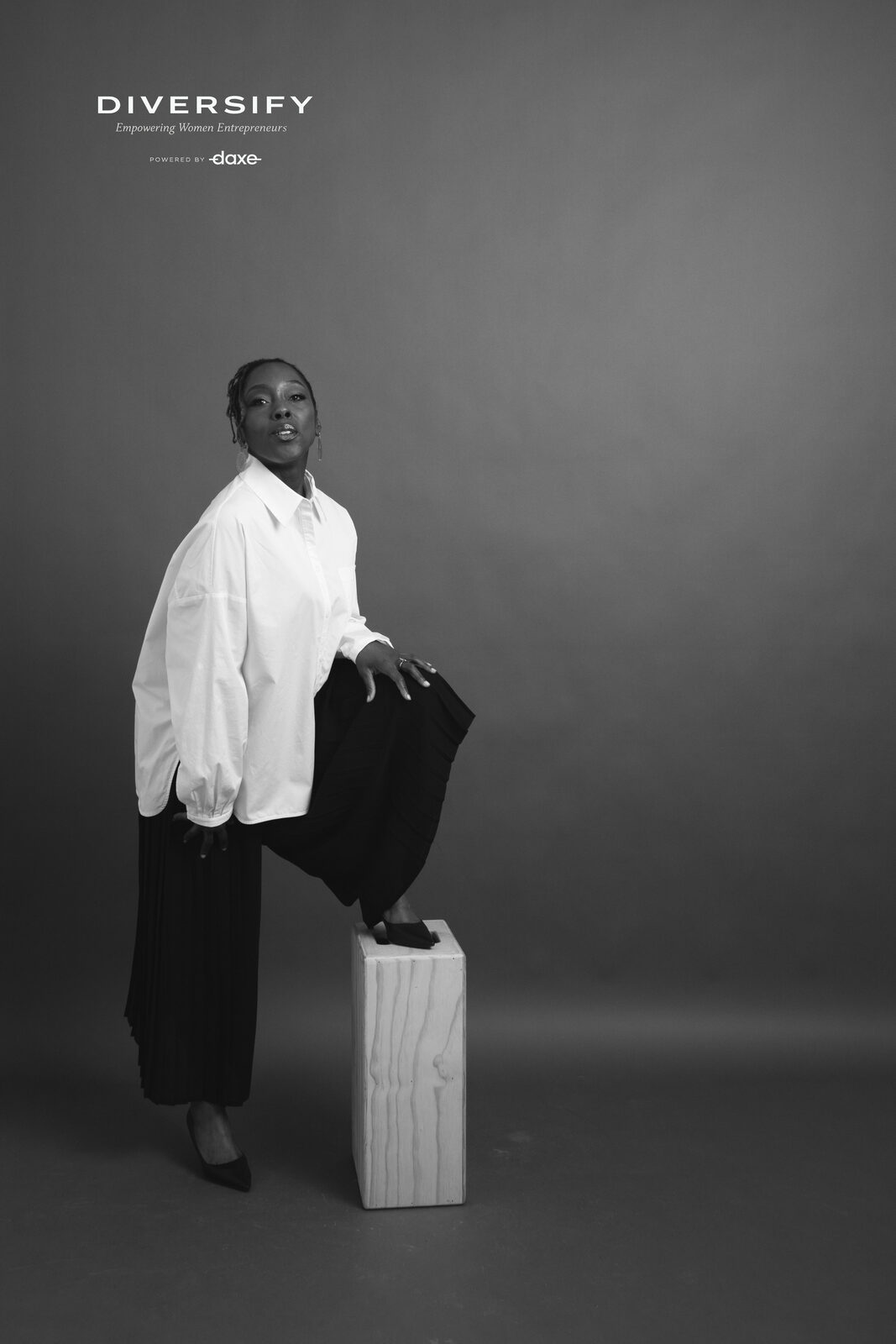
Stephanie Franklin
Founder & CEO
Fly Wines
Raised — Currently in a raise
Fly Wines was born from both loss and possibility. After losing my mother during the pandemic, I found myself reflecting deeply on legacy, connection, and how we gather with one another. Wine had always been a conduit for community in my life, but as I looked closer at the industry, I noticed how exclusive it was and how few Black women were represented in ownership and leadership. That disconnect became impossible to ignore. Starting Fly Wines was a way to honor culture, storytelling, and presence while building something tangible and lasting. It was sparked by a desire to create space where people feel seen and included, whether they drink alcohol or not. As consumer habits shift toward wellness and mindful living, the moment felt urgent and necessary. Fly Wines exists because the industry is changing, and because representation, access, and ownership matter now more than ever.
In her words
“I want future founders to see that you can build something scalable and ambitious without sacrificing creativity, wellness, or community.”
Chapter I
The toughest challenges you've faced as a founder.
Building Fly Wines has been a lesson in grit, resilience, and creative problem-solving. I started the company during the pandemic, shortly after losing my mother, while navigating grief, uncertainty, and an industry that rarely makes space for Black women. In wine, less than one percent of ownership and leadership looks like me, and that reality shows up in everything from access to capital to being taken seriously in the room. I didn’t come from generational wealth or insider connections. I built Fly Wines by doing the unglamorous work of cold outreach, self-distribution, hosting tastings, and learning compliance, logistics, and finance on the fly. I funded the business through revenue, scrappiness, and belief, long before outside capital was an option. Despite the barriers, Fly Wines is now a revenue-generating business with partnerships across restaurants, wine shops, and event collaborators. I’ve expanded the company to include our first Fly Wines non-alcoholic wine, Vol.0, tapping into a fast-growing category with strong buyer interest and pending orders. The climb hasn’t been linear or easy, but it’s been intentional. Every step forward represents persistence, creativity, and the refusal to shrink in spaces where I was never expected to build something this bold.
Chapter II
Your vision.
My vision is rooted in solving one persistent problem of who gets access, ownership, and visibility in industries that shape culture and community. I’m obsessed with changing the fact that wine, and many lifestyle categories, have been built around exclusion, gatekeeping, and a narrow definition of who belongs. Fly Wines exists to help shift that reality. I want to build a world where culture and commerce are not separate it's inclusive, where wellness and celebration can coexist, and where people see themselves reflected in the brands they support. Through Fly Wines, I’m working to normalize inclusive leadership, mindful consumption, and storytelling that honors both craft and lived experience. The change I’m working toward is larger than wine. It’s about creating pathways for underrepresented founders and producers, expanding ownership, and proving that businesses led with intention, creativity, and care can be both impactful and economically viable. My vision is a future where access is the norm, not the exception.
Chapter III
The impact you want to leave behind — for your industry, your community, and the women who come next.
Thirty years from now, I want to look back and know that I helped change who felt entitled to build, lead, and own. The deeper “why” for me has always been about access to opportunities, to capital, to visibility, and to rooms where decisions are made. Too often, those doors were closed or never built for women like me, and I became determined not just to walk through them, but to widen them. The impact I want to leave behind is a shift in what feels normal. I want it to be unremarkable for Black women and other underrepresented founders to own brands, control distribution, and shape culture-driven industries like wine. I want future founders to see models of leadership that honor creativity, wellness, and community without having to sacrifice ambition or scale. If Fly Wines succeeds the way I envision, it won’t just be remembered as a wine company. It will be remembered as proof that inclusive leadership and cultural integrity can drive lasting economic impact and that building with intention can change industries for generations.