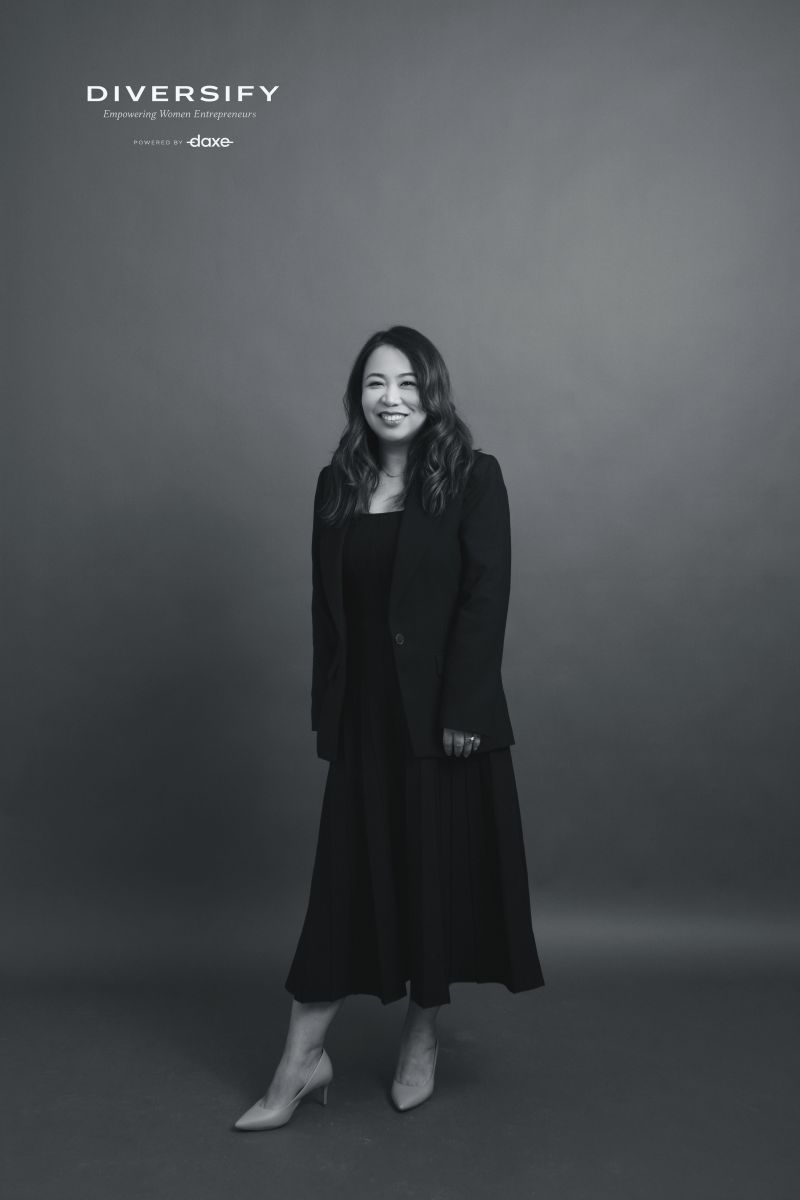
Portrait No. 001
Catherine Qu
Founder & CEO
Propensity AI
I started Propensity AI after spending two decades living inside the consequences of GTM decisions. Early in my career, I was a software engineer building complex enterprise systems. Later, as a GTM leader, I was accountable for growth, pipeline, and revenue. In both roles, I saw the same failure mode repeat: smart teams making high-stakes decisions with tools that could explain the past, but offered no help in learning what would work next. The breaking point came after watching teams burn months executing “best practices” that no longer fit fast-changing markets, while being judged on outcomes they couldn’t realistically predict. When advances in AI made simulation and synthetic data finally viable, it clicked. The problem wasn’t talent or effort. It was decision-making. Why me: I’ve felt this pain as both the builder and the owner of the outcome. Why now: AI finally makes adaptive, learning-driven GTM possible.
In her words
“I’ve lived in both software engineering and marketing. Now I’m engineering the future of go-to-market with AI.”
Chapter I
The toughest challenges you've faced as a founder.
Building Propensity AI has required trusting my own trajectory, even when it didn’t fit a familiar founder mold. I’m a woman, minority, immigrant founder who built her career by moving between worlds, starting as a software engineer and later taking full ownership of growth, pipeline, and revenue in B2B tech. That path wasn’t linear or obvious, but it gave me uncommon clarity about how products actually succeed or fail in the market. As a founder, that clarity shows up every day. I design systems, write production code, and make product decisions with a deep understanding of how GTM teams operate under real pressure. I’ve lived the consequences of these decisions as the person accountable for outcomes, not just ideas. The hardest moments have been choosing conviction over validation. I bootstrapped development, led deep customer discovery, and made a hard pivot in late 2025 when the data demanded it, not when it was comfortable. In early 2026, we shipped a working beta and began onboarding early users in controlled waves, learning directly from usage rather than opinions. What sustains me is resilience built over time: navigating unfamiliar systems as an immigrant, building authority as a woman in tech, and turning a non-obvious path into a real competitive advantage I carry into every decision.
Chapter II
Your vision.
I’m obsessed with fixing how decisions get made in go-to-market. Today, teams with real responsibility for revenue are still forced to rely on lagging data, rigid playbooks, and intuition shaped by yesterday’s market. The cost isn’t just inefficiency. It’s wasted talent, slow learning, and entire teams executing plans they already suspect won’t work. My vision is to make GTM a learning system, not a guessing game. Propensity AI enables teams to explore “what if” before committing real dollars, people, and time. It gives them the ability to simulate, adapt, and improve continuously, instead of locking strategy into quarterly plans that age instantly. The change I want to see is cultural as much as technical. When decision-making improves, teams move faster with more confidence, experimentation becomes safer, and outcomes become fairer and more predictable. If we get this right, GTM stops being a high-stress bet on instincts and becomes a disciplined, compounding system where learning is the advantage.
Chapter III
The impact you want to leave behind — for your industry, your community, and the women who come next.
Thirty years from now, I want to be proud that I helped shift how work is done and who gets to lead it. I want Propensity AI to be remembered for proving that better decisions beat louder opinions, and that learning systems create more durable outcomes than rigid playbooks. More personally, I want future women, immigrants, and minority founders to see a different template for leadership. One where technical depth, business judgment, and humanity coexist, and where you don’t have to fit a narrow mold to build something meaningful. If my work made it easier for the next generation to trust their voice, move faster with confidence, and build without apology, that would be a legacy worth leaving.