
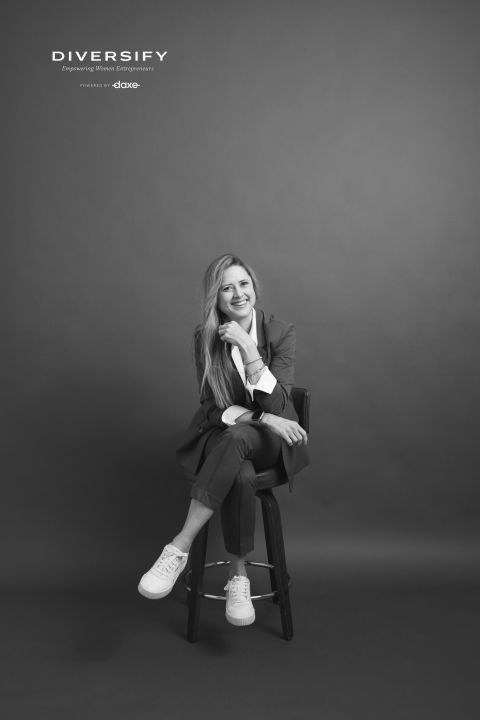
Portrait No. 001
Clare McSweeney
CEO
Kuul Play
Raised — Currently raising
I started Kuul Play because I’ve lived both sides of the system. I was an elite athlete who thrived inside sport and later worked in sports medicine (olympians, pro, collegiate), tech and youth systems where I saw who gets left out. The hardest truth: sport works brilliantly for kids who already say yes. Most kids don’t and no one is building for them. Gen Alpha is growing up digital-first, identity-driven, and algorithmically shaped yet sport still relies on analog pathways and late signals. That gap is where fan value, health outcomes, and long-term engagement are being lost. Kuul Play is building a new category: hybrid play infrastructure that blends digital worlds, real-world movement, and AI-driven behavioral insight to shape early affinity before fandom hardens. It’s not about replacing sport; it’s about creating the missing on-ramp. By combining play, data, and intelligence, we unlock a generation sport can’t currently see and give leagues, brands, and platforms a way to build higher-quality fans earlier, more inclusively, and with durable lifetime value. This isn’t a product. It’s the foundation for how the next generation enters sport.
In her words
“Having operated across sport and human performance from elite athlete to system builder, I’m now building the infrastructure for how brands understand and influence Gen Alpha as they form fandom across digital and physical worlds.”
Chapter I
The toughest challenges you've faced as a founder.
The hardest part hasn’t been building the product it’s been building something the system wasn’t designed to recognize. As a solo female founder in the sports industry, I was repeatedly told my idea was “too early,” “too soft,” or “not sport.” What that really meant: it didn’t look like what had worked before. I bootstrapped for years, building Kuul Play from scratch product, IP, pilots, partnerships, proved the concept at significant scale, all while navigating moving to the S.F. from Ireland & zero safety net. I learned to sell without permission, build without capital and keep going while being underestimated. Instead of chasing validation, I focused on revenue and traction: deployments with kids traditional sport doesn’t reach, building proprietary play systems, earning IOC Future of Play recognition as a category creator in hybrid play and being invited into conversations with global sports, media and gaming leaders. The climb has been lonely and nonlinear but has forged conviction. Kuul Play exists because I didn’t ask the system to believe first. I built proof anyway.
Chapter II
Your vision.
I’m obsessed with one problem: how early exclusion quietly shapes who feels sport is “for them” and who never comes back. Right now, millions of kids are locked out before they ever choose. Not because they don’t care but because no one built an on-ramp for how they actually grow up. The cost isn’t just fewer fans. It’s lost confidence, lost health, and a narrower future for sport itself. Kuul Play is about rewriting that moment. Creating environments where kids build positive identity through play, before judgment, before labels, before allegiance hardens. The world I’m building toward is one where fandom isn’t inherited or gated, it’s formed. Where sport becomes inclusive by design, not charity. And where the next generation grows up feeling movement, belonging, and joy are for them long before anyone keeps score.
Chapter III
The impact you want to leave behind — for your industry, your community, and the women who come next.
Changing who sport is built for and who gets to belong. For decades, sport has quietly filtered kids out early, especially girls and non-sporty kids, then blamed them for disengaging. Kuul Play exists to end that era. We’re creating a new pre-sport system where play, technology, and intelligence shape identity, belonging, and fandom before exclusion hardens. 30years from now,sport stops being a narrow pipeline and becomes a cultural engine that expands, not shrinks who gets access, influence, and voice. And girls grow up knowing their bodies, interests, and presence were never a liability but power.