
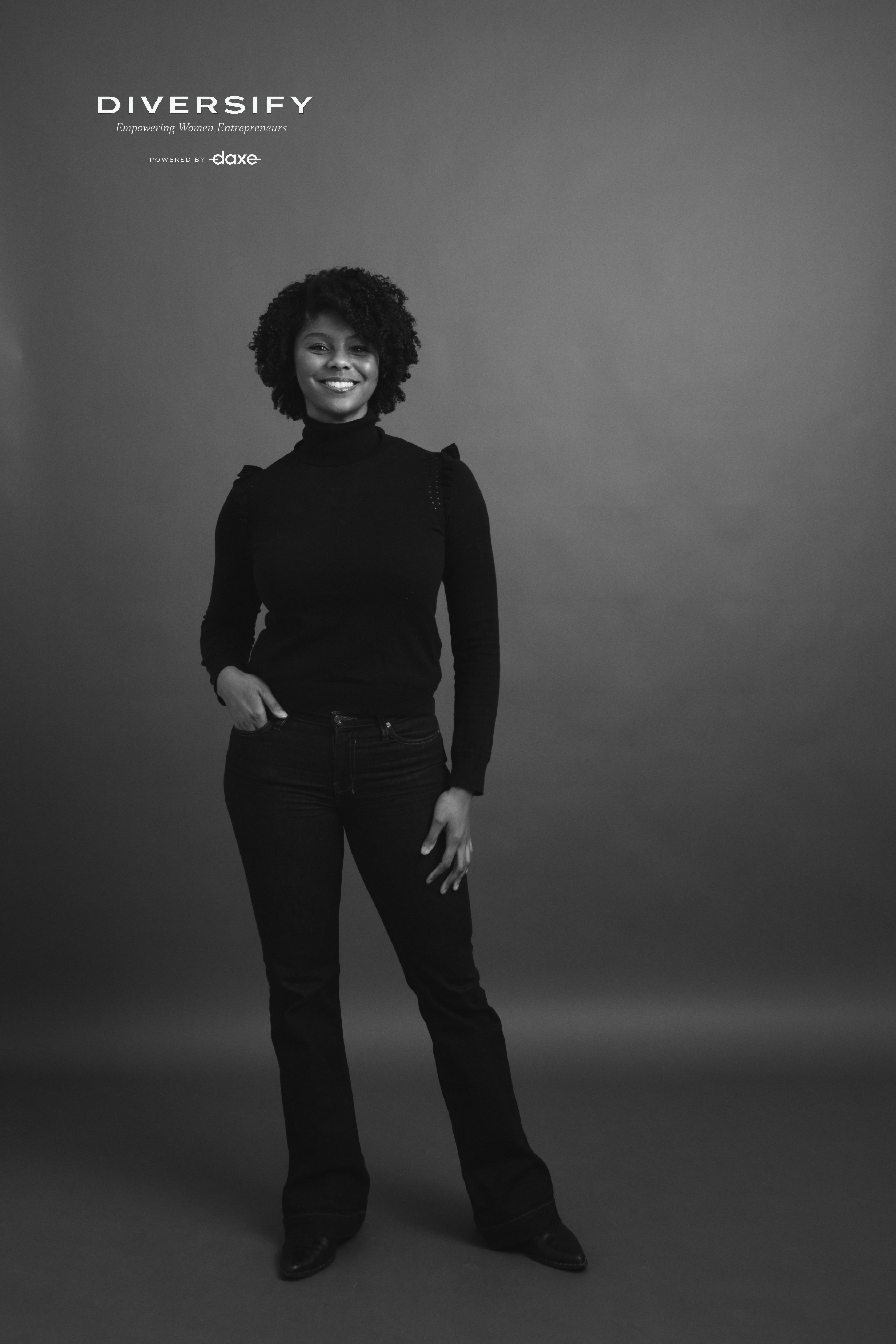
Portrait No. 001
Crystal Bullard
Founder and CEO
Evidentree App
Raised — Bootstrapping
I didn’t set out to start a wellness company. I was trying to stay in healthcare. After leaving corporate America, I interviewed in June 2024 for a Head of Content role at a healthcare startup I knew well, a company I had worked with directly while leading content for a major pharmaceutical brand. I came in with years of experience, strong internal referrals, and a proven track record managing multi-million-dollar budgets and P&L. What followed was the most disorienting interview of my career, led by a woman who dismissed every answer. Requirements shifted in real time. My experience was minimized, not evaluated. By the end, it was clear the decision had been made before I ever spoke. After the interview, to release stress, I said out loud, “I’m going to build a natural health platform and show her what great healthcare content looks like.” I hadn’t been thinking about natural medicine, but that night I researched the natural wellness space and saw the same issues everywhere: misinformation, few standards, no safety. Coming from pharma, I knew how to build something different. I started Evidentree before wellness went mainstream, to bring rigor, safety, and credibility to natural care.
In her words
“Natural medicine does not lack demand. It lacks infrastructure. With over 20 years in healthcare, I saw the gap and built Evidentree to bring clinical rigor and institutional validation to natural care and integrate it into modern medicine.”
Chapter I
The toughest challenges you've faced as a founder.
Like many people, I spent nearly a decade in corporate America and slowly learned how to survive by shrinking. I wrapped my identity in the corporate brand and was told more times than I can count to smile more. As a Black woman, standing up for myself often meant being labeled difficult or angry, while my side of the story went unheard. Over time, my power diminished, even as my confidence in my work remained intact, reinforced by the institution around me. When I left and became a founder, that confidence disappeared. I realized how much of it had been tied to the company’s name, not my own. Suddenly, I was building relationships, hiring, and setting direction without institutional armor. I had to relearn how to lead in my own voice. That challenge surfaced again with an advisor who came from a similar corporate background. What began as guidance slowly turned into control. Feedback that was positioned as rigor crossed into excessive criticism, where nearly everything I said was corrected or condemned. It mirrored the same dynamics I had trained myself to endure. At first, I gave them power because that pattern felt familiar. Then I stopped myself. I had set the vision. I stood my ground, and we decided to part ways. That moment reshaped how I lead. At Evidentree, I build teams where people feel safe to speak openly, challenge ideas without fear, and move quickly without politics. I didn’t lose anything. I gained confidence, clarity, and a leadership model rooted in trust.
Chapter II
Your vision.
I didn’t fully understand the influence the pharmaceutical industry has on shaping healthcare in America until I transitioned into the wellness world. Treatment plans are often built around prescription medications. When there isn’t a drug available for a condition, patients are frequently told there are no options. That mindset is frustrating and ultimately undermines patient care. My vision is for integrative medicine to become a standard part of healthcare, not a privilege or an afterthought, and not something reserved for those with money or access. I believe patients deserve evidence-based holistic options that extend beyond prescriptions, and physicians deserve credible tools to support those conversations. Evidentree is my way of contributing to that future. By giving people access to clinical-grade information about natural and integrative care, I aim to shift expectations around healthcare. If enough patients begin expecting safer, more comprehensive options, the system will have no choice but to evolve.
Chapter III
The impact you want to leave behind — for your industry, your community, and the women who come next.
I want to help shift America from a system focused on managing sickness to one designed to create health. For too long, care has been reactive, fragmented, and accessible primarily to those with privilege, leaving many conditions labeled “chronic” when they could be addressed earlier and more holistically. My legacy would be helping normalize a healthcare model that integrates pharmaceuticals with evidence-based natural medicine, prioritizes root-cause understanding, and treats patients as whole people. This vision is personal. I watched a family member die prematurely because critical options were never shared, whether through lack of knowledge or lack of will. Thirty years from now, I want future generations, especially women, to inherit a system that values prevention, transparency, and human life over convenience or profit.