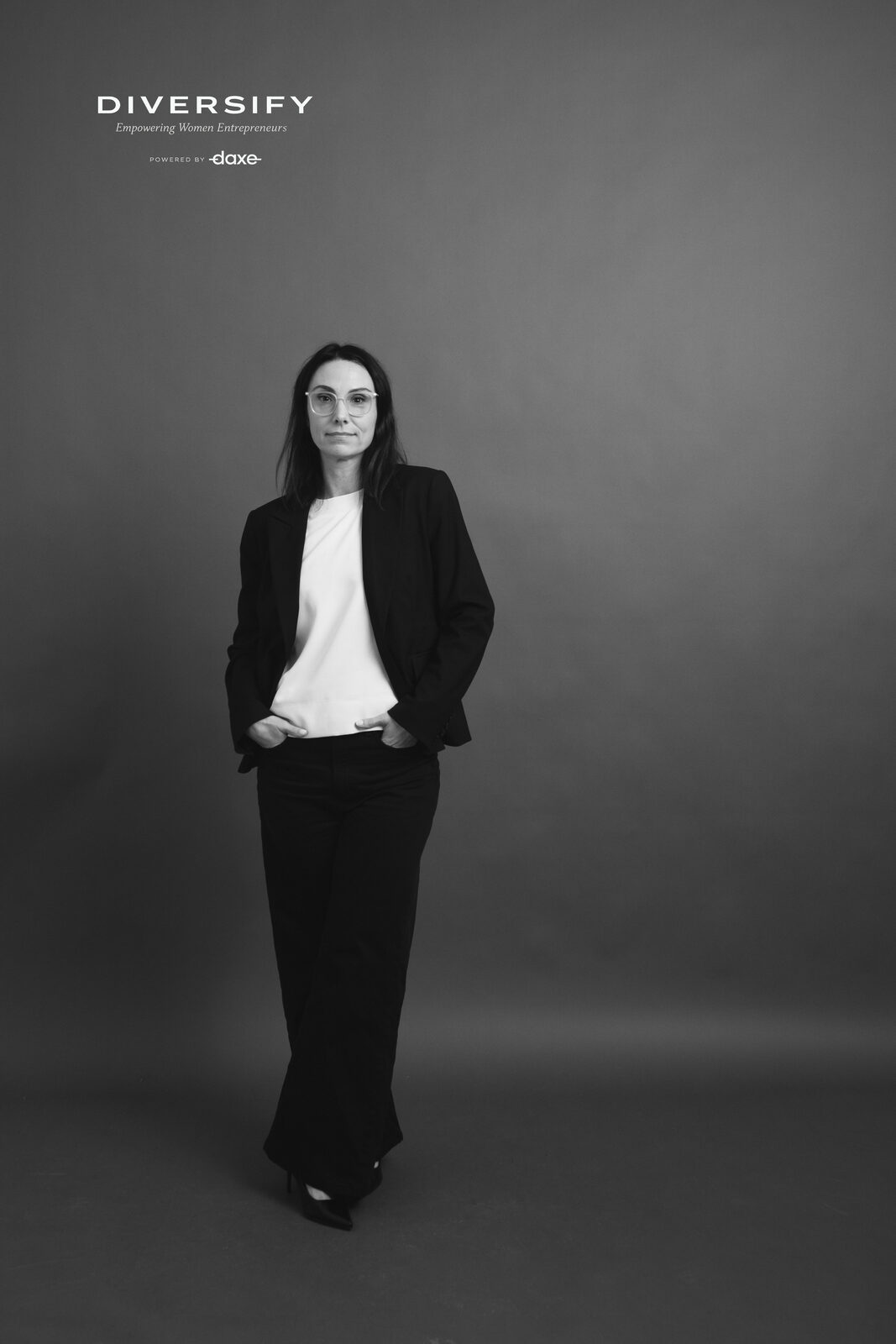
Portrait No. 001
Jarah Euston
Co-founder, President and COO
WorkWhile
Raised — $39.5m
My first job was as a retail associate at Party City, and I still remember coworkers supporting families on hourly wages. I grew up in Fresno, the city with the highest concentration of concentrated poverty. Later, I had a fortunate career in tech, including selling a startup to McClatchy, attending Wharton School, and building products at Flurry and Yahoo. I loved the craft, but I was not fulfilled building tools that mostly benefited the top slice of society. The turning point was getting burnt out building software for other tech people who didn't need more software. I interviewed 100 workers and learned schedules were the pain. So we built WorkWhile to give workers control and give businesses reliability. Why now: smartphones made work portable, and AI makes real-time coordination possible at scale.
In her words
“WorkWhile is a worker-first company that builds AI-native software for the 80% of the global population that works hourly. With scheduling control, fast and responsible payments, and real economic mobility, it's AI to serve humans.”
Chapter I
The toughest challenges you've faced as a founder.
As a woman founder and a mom, I’ve done the climb in two parallel worlds: raising a company and raising kids. I had a baby a year after starting WorkWhile and took two weeks of maternity leave before I was back in it. I’ve pitched investors while sleep-deprived, run exec meetings between childcare handoffs, and absorbed the quieter bias of being underestimated until the numbers speak, then being called “lucky” when the work was relentless. The resilience came from turning constraints into speed. We built a worker-first product that workers genuinely rely on, expanded across 40+ states, and raised $40M while female in a market that loves to say “no” first. The braggy proof: We've put almost $200m in workers' pockets; World Economic Forum named Jarah a Tech Pioneer and invited her to the World Economic Forum Annual Meeting; Fortune featured her in a profile; and WorkWhile has been recognized on the Inc. 5000 list of America's fastest growing companies. We’re building a category-defining company with workers at the center—and the world is starting to notice.
Chapter II
Your vision.
I’m obsessed with solving the core injustice of hourly work: unpredictability. Not just wages, but the instability that makes it impossible to plan a life. In the U.S., more than half the workforce works frontline hourly jobs, and globally it’s closer to 80%—yet these workers have received a fraction of the tech investment that’s gone into making white-collar work more efficient. The change WorkWhile will enable is powered by agentic AI: systems that can coordinate in real time across millions of workers, worksites, and constantly shifting demand. When a shipment is late, a hotel is overbooked, or a DC gets slammed, the response shouldn’t be chaos and human scrambling. It should be intelligent coordination that protects workers and keeps operations moving. I’m obsessed with applying the best of AI in service of the people who make the economy actually move—removing middlemen and overhead that siphon value, restoring dignity to work with your hands, and creating a labor system where flexibility is a right of every autonomous human being, not a luxury for the few.
Chapter III
The impact you want to leave behind — for your industry, your community, and the women who come next.
Thirty years from now, I want to be proud we helped make frontline work the default way the economy runs: dignified, stable, and autonomous. That WorkWhile proved the people who move the world deserve the best technology, with scheduling control, fast and responsible payments, and real economic mobility—at global scale. And I want to be proud we shifted what’s possible for women builders. At top schools like Wharton School, women are now more than half of graduates, yet they raise only a 13% of venture capital going to Wharton grads. That gap is unacceptable. My legacy is helping close it by building a massive company, openly, and pulling more women through behind me. Most personally: my two daughters will know their worth—and negotiate a term sheet like sharks on their way to building billion-dollar companies.