
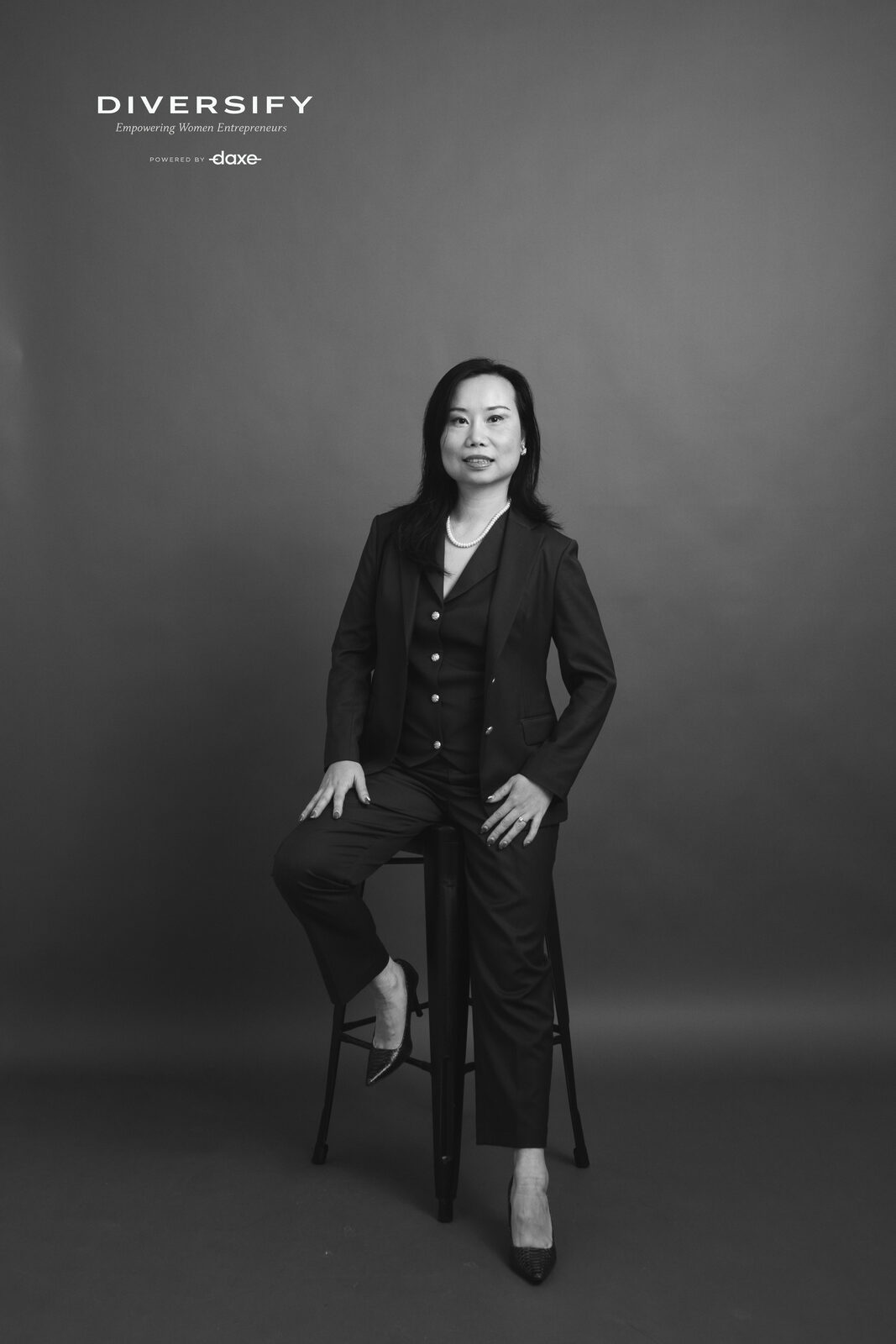
Portrait No. 001
Jin Lee
Founder
IMIDeology
IMIDeology is a clinician-led, tech-enabled clinical network reimagining care for autoimmune and inflammatory diseases through multidisciplinary, patient-centered care. What makes it unique is its ability to connect patients to specialists within days, integrate education and community support, and expand access to research and clinical trials—especially for underserved populations. IMIDeology was born from a deeply personal experience. Despite nearly two decades of working across health insurance, hospital systems, and global pharma, my husband spent eight years seeking a diagnosis for his autoimmune condition. That journey exposed the fragmentation, delays, and inequities facing millions of patients with immune-mediated inflammatory diseases. My career across payer, provider, and pharma gave me a rare systems-level view of where care breaks down—and how to fix it. Today, with autoimmune disease affecting over 23 million Americans and digital care models finally scalable, IMIDeology exists to shorten diagnostic odysseys, restore dignity, and ensure patients are seen, supported, and included.
In her words
“In autoimmune and rare disease, precision is criticle. This requires structured data, coordinated trials, and stakeholders choosing collaboration over silos.”
Chapter I
The toughest challenges you've faced as a founder.
Founding IMIDeology has been one of the hardest—and most defining—chapter of my career. We launched in early 2024 as a telemedicine company just as COVID-era telehealth flexibilities were ending. Regulations changed rapidly, physicians could no longer practice across state lines, and reimbursement rules shifted almost quarterly. To survive, we focused on New York first, where we successfully became in-network with 20 insurance carriers—a major lift for a first-year startup. By year one, we earned the trust of leading patient nonprofits, including the Crohn’s & Colitis Foundation (named a Top 5 Innovator for 2025), the Arthritis Foundation, and the Spondylitis Association of America, which featured IMIDeology nationally. Then in 2025, telehealth reimbursement dropped below in-person specialty care, and by fall it was in limbo. We were weeks from running out of runway. Instead of cutting staff, I convinced our rheumatologists and primary care partners to pivot—fast—toward autoimmune-focused clinical trials. That shift became our new business model. We partnered with major pharma companies, retained our entire team, and reached profitability. As a first-generation immigrant, minority woman, and mother, I felt pressure to prove traction before raising capital. So we never raised. Now we don't have to.
Chapter II
Your vision.
Why people with autoimmune disease wait years for answers while science moves forward without them? Autoimmune conditions affect millions—nearly 80% of them women—yet awareness is shockingly low and diagnosis remains slow, fragmented, and inequitable. Patients are invisible in plain sight. IMIDeology exists to change that. We are building an autoimmune-focused clinical site network that accelerates clinical trial recruitment and retention while educating patients and clinicians at scale. Our vision is a world where research moves at the speed of patient need—where diverse populations are represented in data, and where access to novel therapies is not limited by geography, race, or income. The science is ready. Regulatory pathways are evolving. The autoimmune therapeutics market is growing rapidly. Patients are still waiting. IMIDeology bridges that gap—advancing discovery while giving people who would otherwise be left out a real fighting chance.
Chapter III
The impact you want to leave behind — for your industry, your community, and the women who come next.
Thirty years from now, I hope autoimmune care is no longer defined by waiting, uncertainty, or trial and error. My legacy would be helping make precision medicine the norm—where the right patient receives the right therapy, at the right dose, at the right time. I want diagnostic odysseys measured in weeks, not the eight years my husband endured, because IMIDeology helped patients, clinicians, and industry advance science together. For future women leaders, I hope I leave proof that lived experience is not a weakness in leadership—it is a catalyst for building systems that are more humane, inclusive, and effective.