
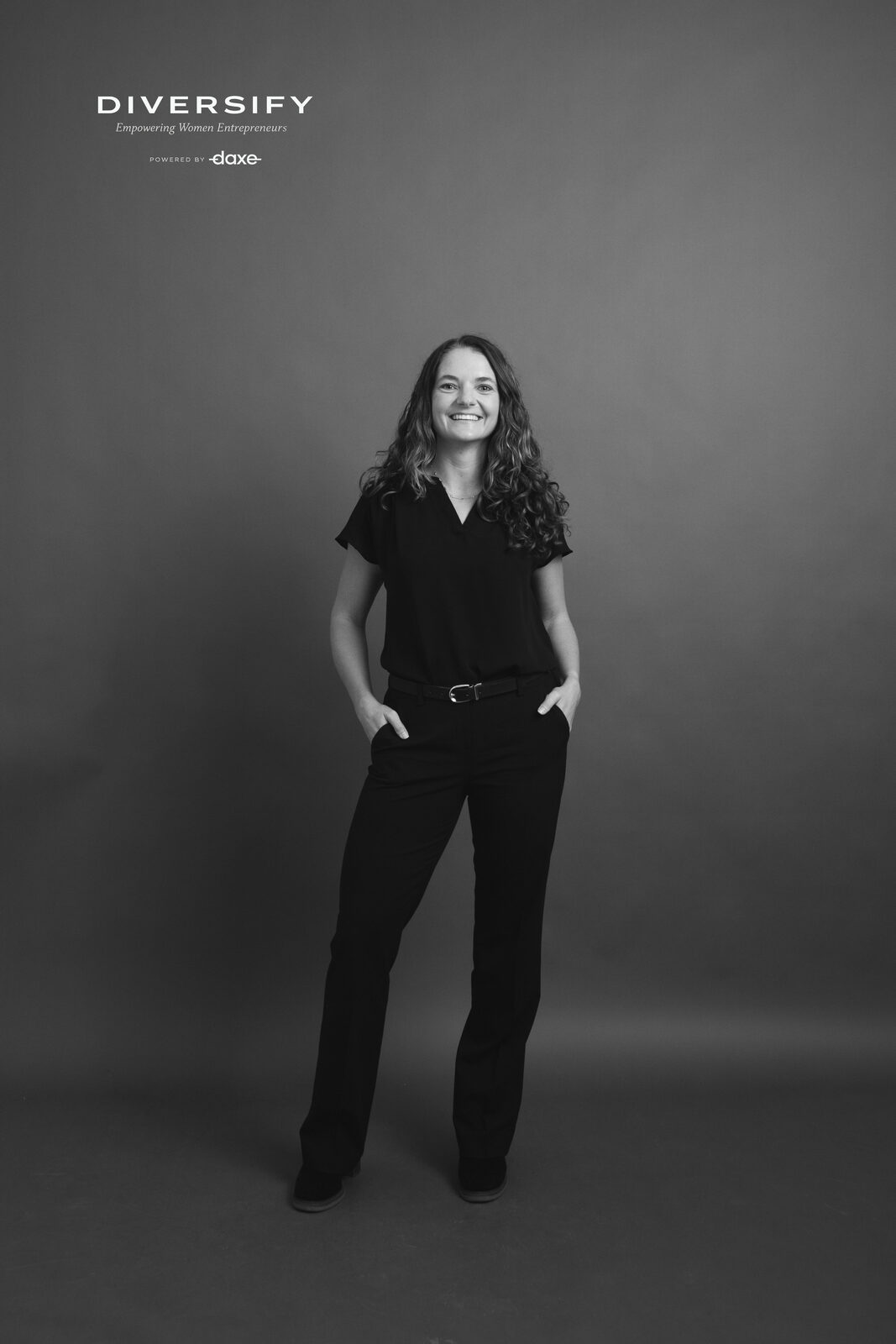
Portrait No. 001
Margaret Lumley
CEO + Founder
Roca Water
I’ve been training as an electrochemist since I joined my first undergraduate research lab in 2012. What has always stayed with me is how precise electrochemistry can be. I fundamentally believe that electrochemistry is the most powerful tool we have to address climate change and water pollution because it allows us to selectively move and recover materials with intention. The more I studied water systems, the more I noticed a disconnect. We spend money and energy to make materials and then spend more to get rid of them downstream. I became convinced that there is a better way to align environmental and economic incentives in water so that reducing pollution also creates value. That’s what makes Roca different. We use battery-inspired electrochemistry to selectively reclaim materials from wastewater instead of discarding them. This work feels cumulative after a decade of training in electrochemistry, years studying water systems, and a growing conviction that we can design infrastructure more intelligently.
In her words
“I fundamentally believe that electrochemistry is the most powerful tool we have to address climate change and water pollution because it allows us to selectively move and recover materials with intention.”
Chapter I
The toughest challenges you've faced as a founder.
I started Roca after shutting down my first company in May 2023, which was the hardest decision I’ve ever made. I co-founded my first startup straight out of my PhD alongside my advisor, who had been my mentor for six years. When we became co-founders, everything shifted. The power dynamic changed and conversations about equity exposed that she didn’t see me as an equal. She told me I was replaceable more than once and I believed her for a while. Even after I was independently accepted into one of the most competitive climate tech fellowships in the world, she insisted that I wasn’t adding any real value. Ending that relationship felt like the ultimate failure. It also forced me to rebuild my confidence from the ground up as a young technical female founder learning to trust my own judgement. So, I started over. I negotiated the transfer of a $1M federal research grant. I moved to California. I built a new team from scratch. This time, I built differently. We have a people-first culture, I laugh with my team every day, and I’m surrounded by thoughtful, brilliant scientists who believe in what we’re building. And we are thriving because this company reflects my leadership, my standards, and my conviction.
Chapter II
Your vision.
I am obsessed with water, and I always have been. I grew up in Hawaii near the ocean, and that shaped the way I think about how humans interact with water. The ocean teaches you that everything flows somewhere. I’ve continued to live near water my whole life. Being so close to water makes something very clear: dilution is actually not the solution to pollution. You cannot just push things downstream and assume they disappear. As a scientist, I started to see that water is where all our material decisions end up. Nutrients, chemicals, minerals, and industrial byproducts all end up in water. And as soon as that happens, we label those materials as “waste.” I am obsessed with redesigning this moment to make water the place where we take responsibility for reclaiming materials instead of dispersing them. If we get this right, we will transform the way the world manages its water resources.
Chapter III
The impact you want to leave behind — for your industry, your community, and the women who come next.
Thirty years from now, I hope we look back and realize we stopped accepting waste as inevitable. I want to help shift water infrastructure from something reactive and compliance-driven to something intentional and regenerative. But the legacy I care about most is personal. I want my future daughter to say that she watched her mom build something that mattered, and that female leadership in science and infrastructure felt normal to her because of it. I want the women who work at Roca to say they felt seen, supported, and taken seriously. And I want my team to say they loved building this company together.