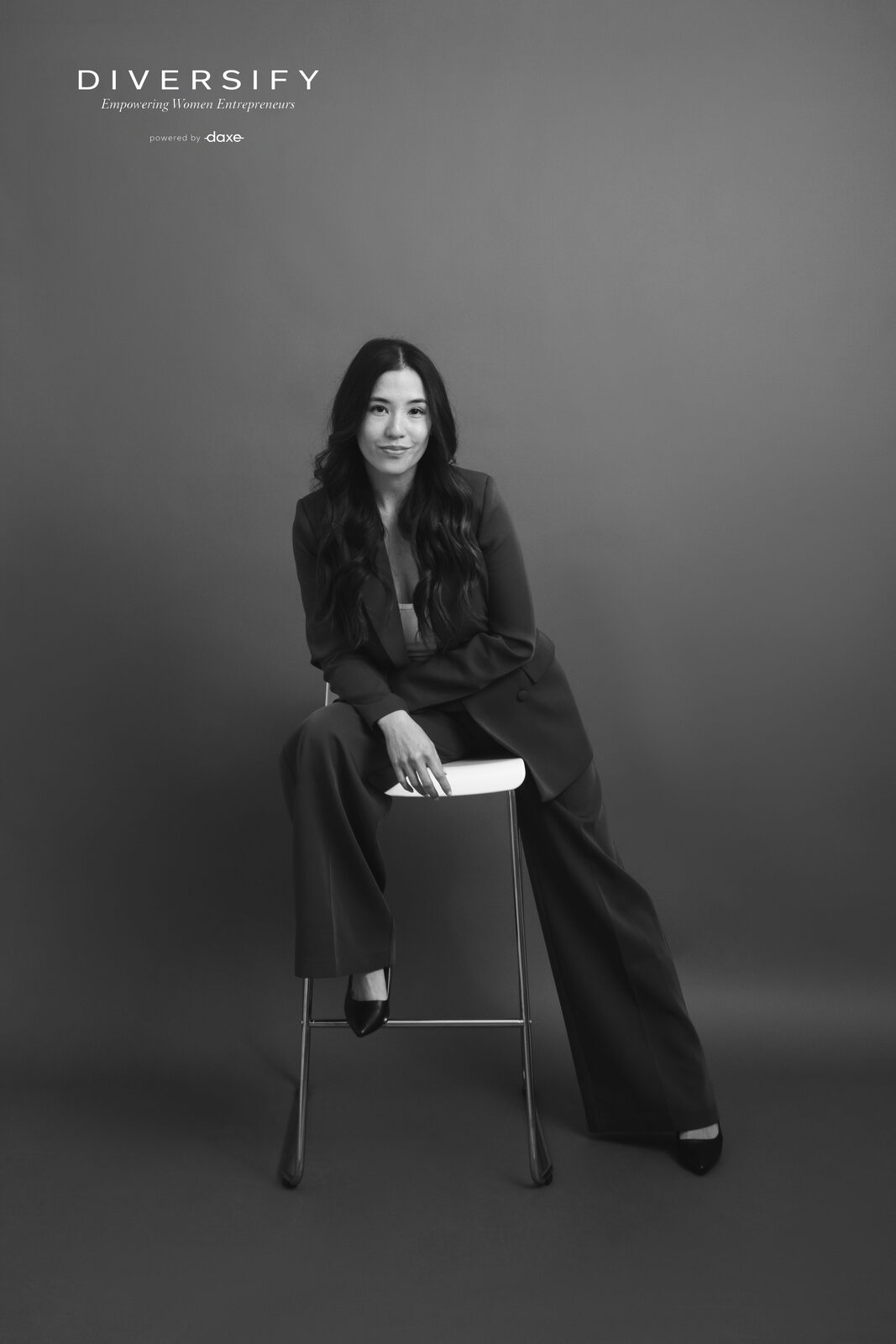
Portrait No. 001
Justine Luong
Co-Founder & COO
Pancea
Raised — Pre-Seed: $655,000
Growing up in an immigrant family, healthcare was something you turned to only when you absolutely had to. My parents were doing their best to build a life in a new country, but like many immigrant families, navigating the system was not easy. When I was nine, I had brain surgery. I remember the fear and uncertainty. That experience sparked my curiosity about the body, how it heals, and how the right care can change someone’s life. As I got older and worked in the health and movement space, I began noticing how common pain and injury were, especially musculoskeletal pain and how much our bodies carry from stress and trauma. Most people only seek help once they are already in pain. Growing up, preventive movement care was not accessible or even part of the conversation. Starting this company is deeply personal. It is about making musculoskeletal care more accessible and using my voice in spaces where Asian voices are often underrepresented.
In her words
“As a daughter of immigrants, I wasn't surrounded by access, but I chose to build anyway and create a future rooted in healing.”
Chapter I
The toughest challenges you've faced as a founder.
One of the hardest parts of being a founder has been learning to speak up in rooms where people like me are often underrepresented. I grew up in an immigrant family and experienced poverty firsthand. My parents were doing everything they could just to provide and build a life in a new country. Conversations about venture capital, startups, or investors simply did not exist in my world. As an Asian woman founder, I have been in rooms where I felt invisible or dismissed. There were moments when people did not take our vision seriously, and times when I could feel the bias in the room. Stepping into the entrepreneurial world required the same grit I saw growing up, watching my family work hard and adapt in a country that was not always built for us. Resourcefulness became one of my biggest strengths. Coming from an immigrant background, you learn to make the most of what you have. I leaned into every network, asked for help, and used every resource I could find to move the company forward. We raised $655,000 and earned the trust of early customers like DoorDash and UCSF. Coming from where I did, those moments meant everything.
Chapter II
Your vision.
I am obsessed with solving how broken musculoskeletal care is. So many people live with daily pain, tightness, or injury, yet they are often told to wait until something becomes serious before getting help. By the time people finally seek care, they have often been living with pain for months or even years. Working with people in person changed the way I see this problem. I watched people come in frustrated and also how they tried many things, and the bill keeps adding up! Many had just never been given the tools to understand or care for their bodies. That is what pushed us to build Pancea. We started by helping people heal through our digital platform. Access to care anytime, anywhere, and affordable! Our vision is a hybrid model that combines in-person care with digital support so people can continue healing, prevent injury, and better understand their bodies. Our long-term vision is a hybrid model that combines digital tools with in-person care. Musculoskeletal and preventative care shouldn’t depend on your income, where you live, or waiting until you’re already in pain. People deserve the tools to take care of their bodies earlier.
Chapter III
The impact you want to leave behind — for your industry, your community, and the women who come next.
Thirty years from now, I would be proud if we helped change how people experience care for their bodies. I hope we helped build spaces where musculoskeletal care feels approachable and safe, not intimidating or out of reach. Places where people from all backgrounds can come in, heal, learn about movement, and actually understand their bodies instead of only seeking help once something is broken. I also hope we helped build stronger communities around care. Where people feel supported in their healing and have access to tools that were once hard to find. Beyond the care itself, I hope we helped shift who gets to build companies. I want women from all backgrounds to have real access to the funding, tools, networks, and opportunities needed to build and lead. Especially for young women who may not always see themselves represented in these spaces. If someone can look at what we built and think, “If she did it, maybe I can too,” that would mean everything to me.