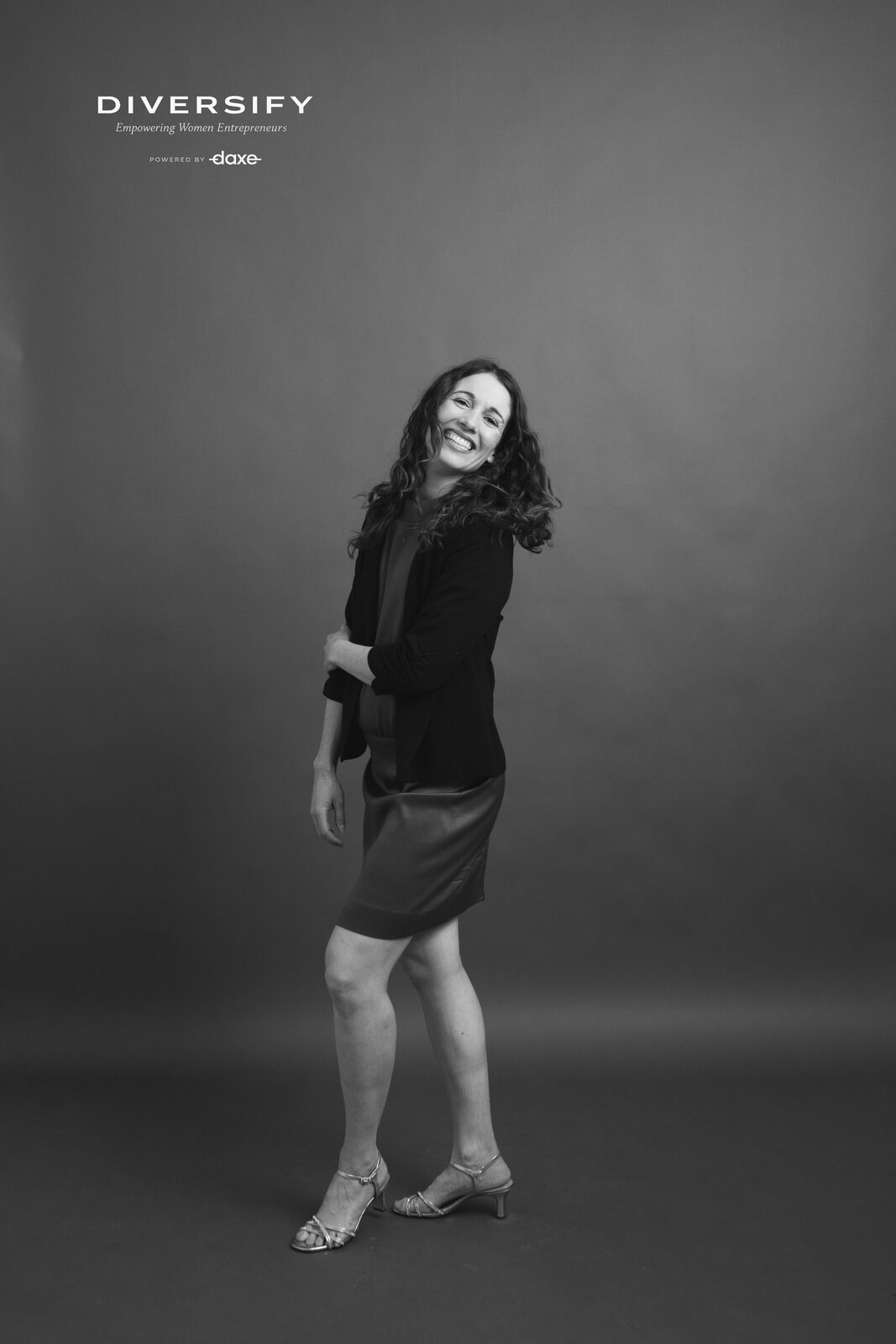
Portrait No. 001
Lisa Curtis
Founder & CEO
Kuli Kuli Foods
Raised — $13MM (just equity) OR $18M (including equity, debt and grants)
I first encountered moringa as a Peace Corps Volunteer in Niger. As a vegetarian, I was subsisting mostly on rice and constantly feeling exhausted. Women in my village noticed and taught me to eat moringa leaves, mixing them into a local peanut snack called kuli-kuli. Within days, my energy returned. Moringa is extraordinarily nutrient-dense—rich in protein, vitamins, and antioxidants—and has been used for generations as a medicinal plant. Yet farmers weren’t cultivating it because there was no market demand. That disconnect stayed with me: a powerful solution to malnutrition and climate resilience hiding in plain sight, overlooked because the market didn’t exist. I realized the lever wasn’t charity, it was demand. If I could build a brand that made people excited to eat climate-smart crops like moringa, we could improve global nutrition while creating income for women farmers. I returned to the U.S. and founded Kuli Kuli to turn a traditional superfood into a global staple, starting with the women who taught me its power.
In her words
“That disconnect stayed with me: a powerful solution to malnutrition and climate resilience hiding in plain sight, overlooked because the market didn’t exist.”
Chapter I
The toughest challenges you've faced as a founder.
I came back from the Peace Corps at age 23 with $2,000 in my bank account, no business experience, and a stubborn belief that moringa could change the global food system. I tested the idea at farmers markets, then pitched investors, hearing “no” more than 400 times. No one wanted to fund an unfamiliar green superfood sourced from rural African women. So I got creative. I launched an Indiegogo campaign that became the most successful food crowdfunding campaign on the platform at the time, raising $53,000 from 800 supporters. That momentum got me into Whole Foods, where I personally demoed bars in every Northern California store while fundraising nights and weekends. I scraped together a $500K seed round from 43 angel investors, mostly strangers. We scaled quickly, partnering with the Clinton Foundation, Whole Foods Global and Chef José Andrés to launch nationally. Then COVID hit. A planned Walmart launch was canceled, distributors froze orders, and we laid off half the team. I was six months pregnant and nearly bankrupt. Two weeks after giving birth, I rebuilt: raising $2M in low-cost debt, hiring new senior talent with equity, and refocusing the business. Today, Kuli Kuli is a superfood category leader at Walmart and Whole Foods, with $51M in lifetime sales, $10M+ annually, and supply chains that support 4,000+ smallholder farmers, most of them women.
Chapter II
Your vision.
I’m obsessed with the fact that the world is eating the wrong plants, grown in the wrong ways. Nearly half of humanity’s plant calories come from just three crops—wheat, corn, and rice—fueling a food system that leaves billions either over- or under-nourished, while accelerating climate damage. Meanwhile, there are over 30,000 edible plants on Earth, many of them nutrient-dense, climate-resilient, and historically grown by women, yet we eat fewer than 150. That imbalance isn’t inevitable; it’s a market failure. My vision is to help rewire what we consider “everyday food.” Kuli Kuli builds demand for climate-smart crops by turning them into foods people genuinely love. We did it with moringa, scaling it from obscurity to category leadership at Walmart, and we’re doing it again with plants like baobab and hibiscus. If we change what we eat, we can change farming, livelihoods, and the health of the planet.
Chapter III
The impact you want to leave behind — for your industry, your community, and the women who come next.
Thirty years from now, I hope my legacy is proof that mission-driven companies can scale, and that women don’t have to step aside to make room for a “professional” male CEO. When I founded Kuli Kuli in 2014, there were very few visible examples of female CEOs who had built large, enduring businesses while staying values-led and in control. That gap still exists, and it’s why I make time to mentor, share openly, and tell the unpolished truth about leadership, motherhood, and ambition. I want the next generation of women, especially my daughter, to grow up seeing being a CEO as an obvious, attainable path. And I want my children to inherit a food system where what we eat supports both human health and planetary health. If I’ve done my job well, fewer children will suffer from malnutrition, more women will lead global companies, and climate-smart food from small farmers will be the norm—not the exception.