Portrait No. 001
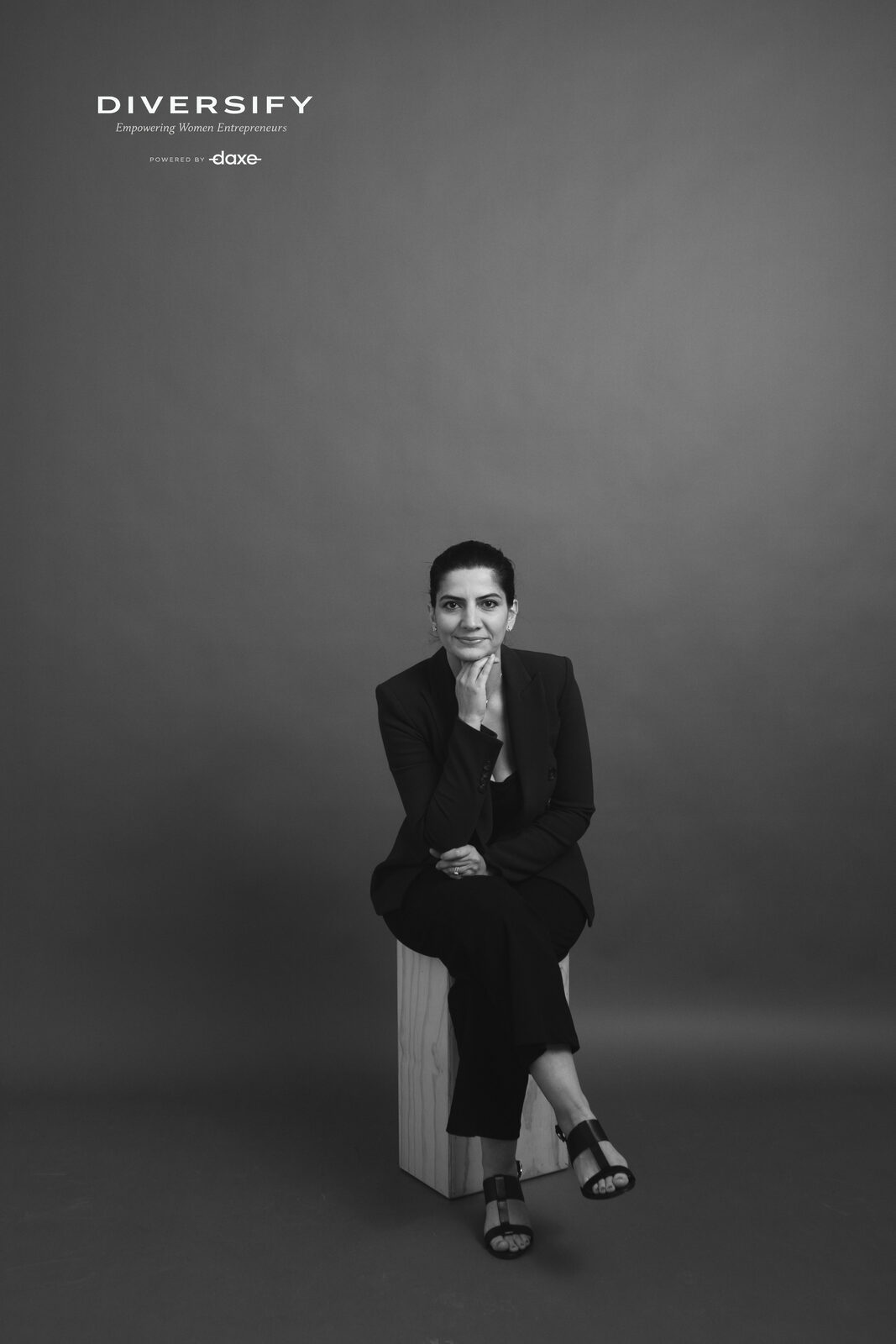
Maryam Mardkhe
Founder/CEO
Stirbar Lab
I started Stirbar Lab after a moment that made me stop trusting the beauty industry marketing language. While shopping for lipstick for my daughter, I realized that brands claiming to be “clean” and “transparent” couldn’t explain how their ingredients were actually made. Ingredient lists were visible, but the real story, extraction methods, processing, preservation, was hidden behind marketing language. I was expected to trust claims without being invited into the process. As a formulation scientist, and a mother, that felt unacceptable. That disconnect—between what brands say and what people are allowed to understand—lit the spark. Stirbar Lab is my response. Why me? I combine deep scientific training with lived traditions of hands-on beauty and botanical rituals in chemistry lab for everyone. Why now? Because people want to learn, participate, and reconnect with what they put on their bodies openly, honestly, and with intention.
In her words
“In the mathematics of chaos, nothing is insignificant. A single moment can set unseen forces in motion.”
Chapter I
The toughest challenges you've faced as a founder.
Building Stirbar Lab has been messy, scrappy, and deeply personal. As an immigrant woman and scientist, I didn’t start with investors, retail connections, or a safety net. I self-funded the lab, signed the lease myself, and built everything—from the workshop curriculum to the packaging—then simplified the entire process into a two-hour, hands-on experience that is now patented. In beauty, I was told more than once that my idea was “too much.” Too scientific. Too hands-on. People assumed customers wouldn’t care how ingredients are made or want to be involved. That never sat right with me, especially after struggling to find truly transparent products for my own daughter. So I built what didn’t exist: a real lab where people extract botanicals, learn the science, and make products from scratch. While raising a family, Stirbar Lab grew into a revenue-generating business with repeat customers and a growing community. Along the way, we earned national recognition, including a Bronze Stevie Award for New Product & Service of the Year, and completed the Nasdaq Entrepreneurial Center’s Milestone Circles program. As a founder, I also give back by serving as a volunteer board director with NAWBO, supporting and advocating for other women entrepreneurs.
Chapter II
Your vision.
What change in the world will your company enable? Stirbar Lab enables a shift from passive consumption to active creation. We are building a world where people don’t just use beauty—they understand it. Where science is not intimidating, but human. Where transparency is experiential, not performative. By inviting people into the lab, Stirbar Lab restores trust, confidence, and ownership. It reconnects beauty to education, nature, and creativity—turning confusion into clarity and products into personal rituals. The change we enable is simple but radical: people stop asking “What should I buy?” and start saying “I know what I’m making—and why.” What problem are you obsessed with solving? I’m obsessed with the fact that beauty today offers the illusion of choice, not real control. Personalization is reduced to quizzes and marketing labels, while products are still mass-produced the same way for everyone. Consumers are asked to trust claims, not understand processes—and chemistry is kept behind closed doors. What’s missing is power. People aren’t given the tools to customize products meaningfully, to understand why ingredients behave the way they do, or to adjust formulations based on their own skin, environment, or values. Beauty has become passive, even though it touches our bodies every day. I’m obsessed with changing that—by putting chemistry back into people’s hands.
Chapter III
The impact you want to leave behind — for your industry, your community, and the women who come next.
I want Stirbar Lab to be remembered as the moment beauty became participatory, not passive. My deeper “why” is about access—making knowledge, tools, and power available to everyone, not just experts or large corporations. I imagine a future where every city has a lab-retail space—a place you can walk into and learn how products are made, touch the science, extract botanicals, and create what your body actually needs. These labs become modern community centers: part classroom, part atelier, part gathering space. Chemistry is no longer intimidating; it’s familiar. For the industry, I want transparency to be something you experience, not something you read on a label. For communities, I want these labs to empower curiosity, creativity, and trust. And for future women—especially immigrant women and mothers—I want proof that you can build something intelligent, hands-on, and values-driven, and scale it without losing its soul.