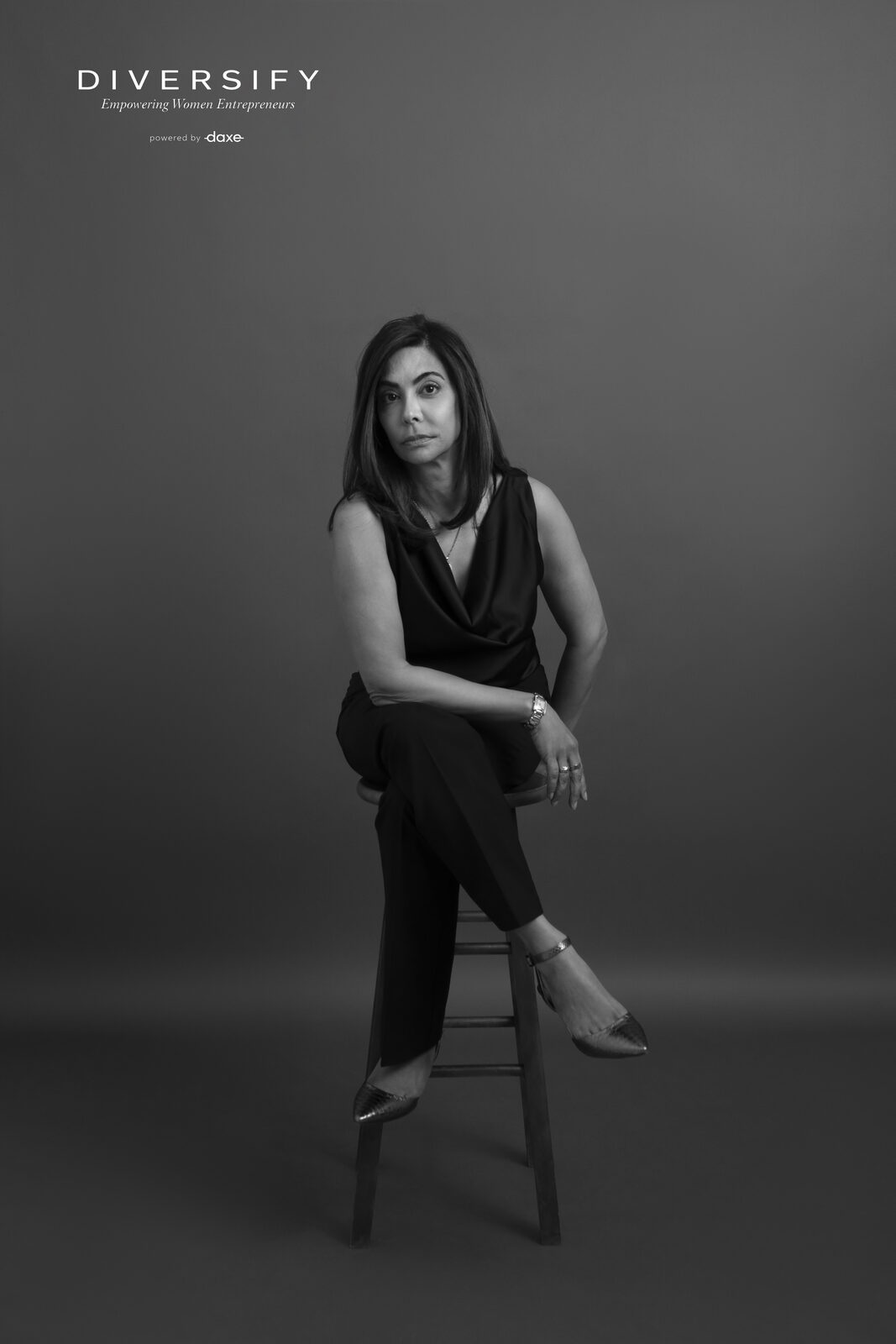
Portrait No. 001
Samina Bari
Founder & CEO
Farewell, Inc.
Raised — Currently in Raise
When my husband died unexpectedly, I learned something no one prepares you for: despite planned, there is no system in real life. Amidst grief, shock and trauma, I was utterly alone in managing months of complex, redundant, time-sensitive administrative tasks — filings, account closures, benefit claims — things that neither lawyers nor financial advisors execute What I discovered wasn’t just post-loss chaos. It was a deeper problem: life administration itself is fragmented, reactive, and built around paperwork instead of people. We only feel it acutely in crisis, but the dysfunction exists long before that moment. As a systems thinker with a background in complex operations, I could see the structural failure — and the opportunity for more gentle transitions at life’s most tender moments. I founded Farewell, a patent-pending life administration operating system, that helps people stay organized in life and move through major transitions with clear, emotionally adaptive workflows without added burden.
In her words
“I know firsthand that death is certain and unpredictable — and that the “systems” surrounding it are broken.”
Chapter I
The toughest challenges you've faced as a founder.
As a first-time founder, I am building this company while still grieving the loss of my husband. I am not the same person I was before his death. As a first-generation woman who always felt “other,” I worked my entire lifetime to build stability, identity, and family. Overnight, I became a solo parent to twin girls whose world changed forever. Grief doesn’t pause for product development. School drop-offs don’t pause for investor calls. I am building Farewell along the margins of grief — yet with absolute clarity and determination. I have self-funded this company because I believe in it deeply. With my team, we conducted extensive discovery interviews, and the response has been consistent: this problem is universal, urgent, and largely unaddressed. Every conversation reinforces both the need and the willingness to use — and pay for — a solution like this. I am hopeful that investors will understand the universal need for this, including for themselves and their loved ones. As a solo mother, I don’t have the luxury of building casually. I build with urgency and discipline. I know firsthand that death is certain and unpredictable — and that the “systems” surrounding it are broken. I’m determined to fix them.
Chapter II
Your vision.
I’m driven by solving the invisible burden of life administration — the fragmented, reactive, redundant tasks that quietly run our lives. Account updates, beneficiaries, insurance, passwords, major milestones — none of it lives in one coherent system. We manage it in spreadsheets, inboxes, memory, and stress. We only notice the dysfunction during major events — a move, a new child, retirement, illness, or death — when the stakes are high, emotions are higher, and the cost of disorganization is real. But the root problem isn’t death. It’s that life administration has no infrastructure. We have financial planning, legal documents, productivity apps, but we don’t have an operating system for the administrative backbone of our lives. I want a world in which life admin is proactive, organized, and continuously updated — not reactive and chaotic. Farewell becomes the trusted system families rely upon to stay prepared, aligned, and resilient through everyday life and major transitions alike.
Chapter III
The impact you want to leave behind — for your industry, your community, and the women who come next.
Thirty years from now, I want life administration to feel as normal and structured as financial planning — especially as trillions of dollars move between generations in The Great Wealth Transfer. Wealth without organization creates conflict, loss, and inequity. Preparation creates stability and dignity. If Farewell succeeds, fewer families will lose assets, clarity, or relationships during major transitions. Administrative resilience will become part of responsible wealth stewardship. For my daughters — and for future women — I hope to model that lived experience can become leadership, and that first-time founders can build enduring infrastructure. My legacy is helping families protect each other.