
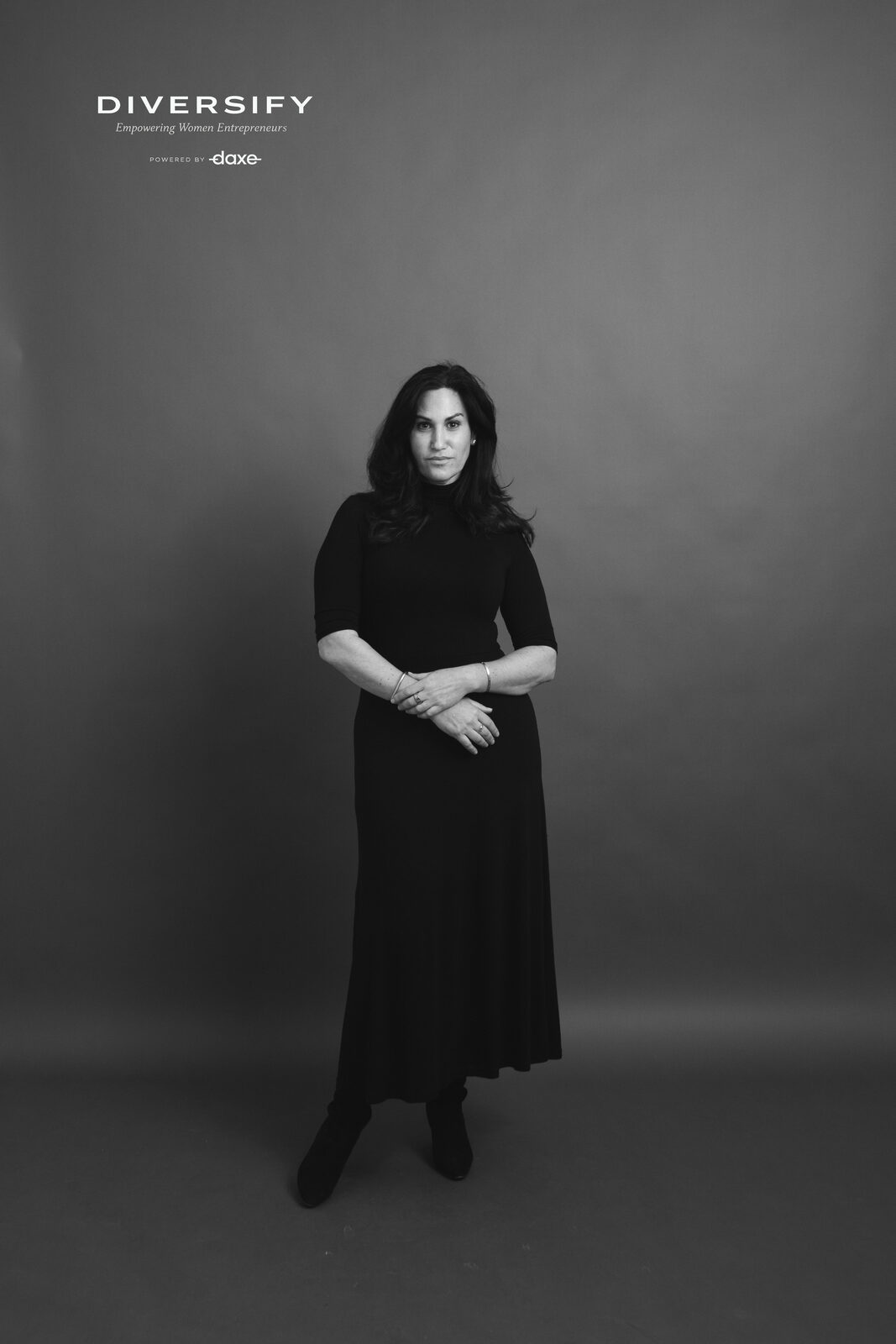
Portrait No. 001
Sarah Adler
Founder and CEO
Wave Life
Raised — 10M
I became a psychologist because an extraordinary therapist pulled me back from the brink of depression and trauma in my late teens. That experience taught me what skilled, compassionate care can do, and how devastating it is that access depends on privilege. As a Professor of Psychiatry at Stanford, I saw what I already knew from my own life: access to life-saving care depends on privilege. People waited months, navigated impossible barriers, or never got help—not because treatment didn't work, but because they didn't look like me, didn't have my insurance, didn't have proximity to the right providers. High-quality mental healthcare is a right, but the system rations it along lines of race and class. I started Wave because I've spent two decades proving we can do better. I know what healing looks like from both sides—as patient, clinician, and researcher. Technology finally lets us scale precision and compassion together: AI-powered personalization meeting evidence-based intervention meeting human care. Now we're delivering outcomes that make high-quality mental healthcare accessible to everyone.
In her words
“For future women founders: I want them to never hear "we'll bring in a CEO type." I want the path I had to fight for to be the floor, not the ceiling.”
Chapter I
The toughest challenges you've faced as a founder.
I'm the CEO of my home and my company, managing school trips, breakups, and emotional support alongside board meetings and investor pitches. I grew up with two brothers who taught me that as a woman, I'd need to fight harder, know more, and be my own best advocate. My father never let being a girl excuse not competing. That same drive that made me keep up athletically made me relentless about proving Wave's model before scaling it. Some investors saw this as uninvestable. One VC offered capital on the condition I step aside as CEO—they'd \"bring in a CEO type.\" A man, of course. Never mind that I'm a former hedge fund analyst who founded and operated a business before Wave. I turned them down. I knew what they didn't: you can teach a clinician business operations, but you can't teach finance guys clinical science. Building a mental health company requires someone who can navigate the real tensions between profit and care, who understands that leading clinicians is cultural, not just operational. We raised $10.5M, grew to 10,000 users, contracted with 10 payers, and published peer-reviewed research in JMIR proving 75% of users achieve clinically significant improvement across race, SES, and severity. The company they funded instead? It no longer exists. We're just getting started.
Chapter II
Your vision.
I'm obsessed with ending access inequality in mental healthcare, but solving it requires rebuilding the entire system. We can't just make the current model cheaper or faster. We have to align the financial incentives of everyone involved: the people seeking care, the clinicians providing it, and the payers funding it. Wave makes highest-quality mental healthcare the standard, not a privilege. But we're also redefining what \"healthcare\" means—moving beyond antiquated diagnostic criteria toward whole-person care that addresses social determinants, context, and lived experience. Mental health isn't separate from health. It's inseparable from housing, relationships, safety, and belonging. The change Wave enables: a world where your zip code, insurance, and skin color don't determine whether you get care that works. Where outcomes matter more than billing codes. Where precision, compassion, and equity scale together. Where the care that saved my life becomes the floor, not the ceiling, for everyone.
Chapter III
The impact you want to leave behind — for your industry, your community, and the women who come next.
Thirty years from now, I want mental healthcare fully integrated into physical health care, not separated, not stigmatized, not an afterthought. I want personalized, evidence-based treatment accessible immediately, without barriers, for all. I want a generation to grow up knowing care is a right they inherited, not a privilege they earned. I want to have proven that measurement-based care and true quality can scale together, that driving down costs and driving up outcomes aren't opposing goals. That rigor isn't slow, it's sustainable, ethical and responsible. For future women founders: I want them to never hear \"we'll bring in a CEO type.\" I want the path I had to fight for to be the floor, not the ceiling.