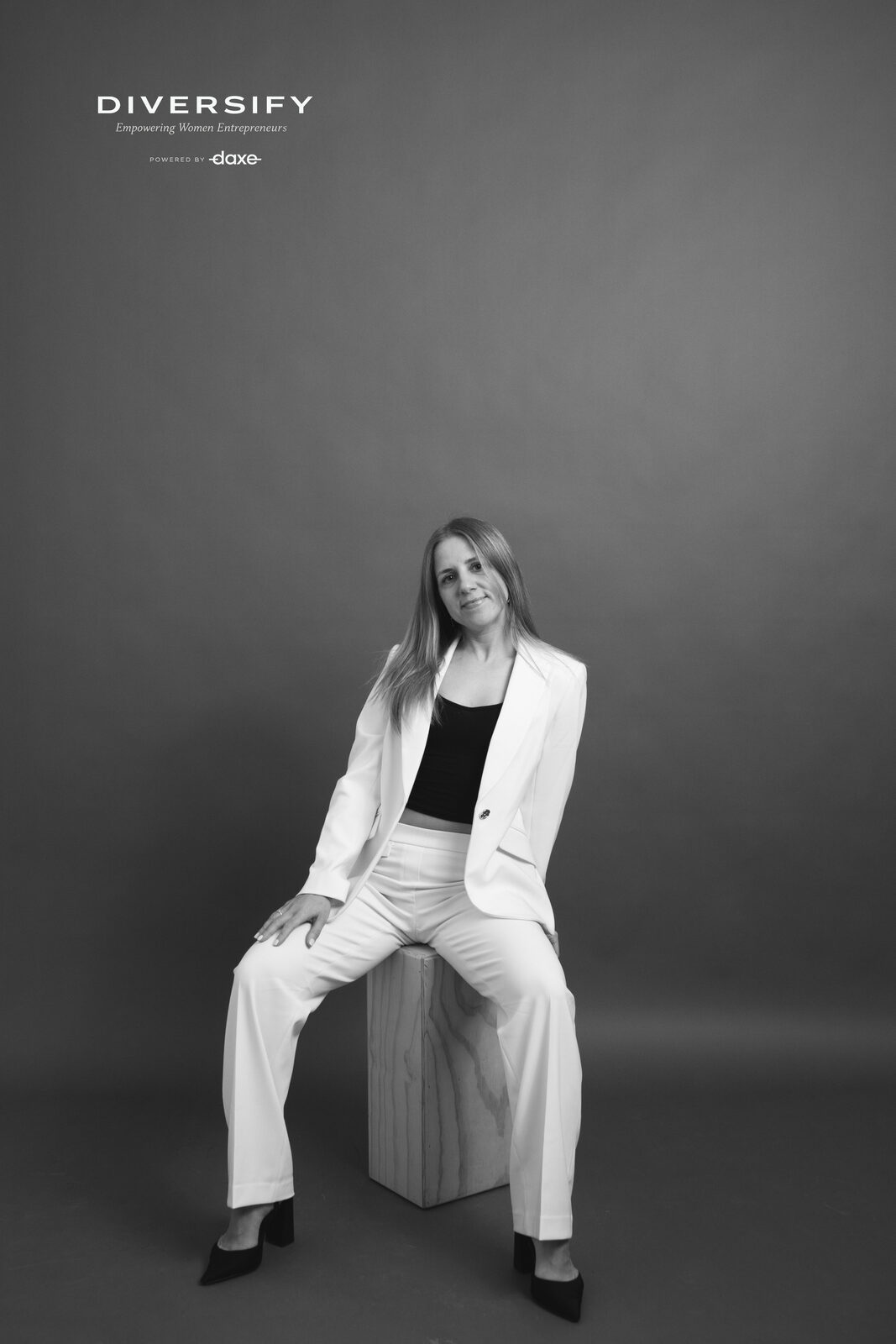
Portrait No. 001
Yana Nakhimova
Founder & CEO
Body Mind Method
I started Body Mind Method after realizing that despite years of studying behavior and brain plasticity, most tools for mental performance were still indirect — talk-based, willpower-driven, or framed as “wellness.” For many years, I was highly functional on the outside while living with constant internal tension and anxiety. I could perform and produce, yet regularly experienced moments where my mind felt foggy, scattered, or inaccessible. Through deep exploration of movement, neuroscience, and somatic learning, I discovered that specific movement patterns could reliably shift my mental state — restoring clarity, focus, and emotional stability within minutes. This was a turning point. I stopped seeing movement as exercise and began to understand it as a direct way to train the nervous system itself. I’m building Body Mind Method because I bridge behavioral science, applied neuroscience, and embodied practice — and because cognitive overload is quickly becoming the default human condition. Now is the moment to build practical infrastructure for training human capacity.
In her words
“The next frontier of innovation isn’t technology — it’s human adaptability.”
Chapter I
The toughest challenges you've faced as a founder.
Building Body Mind Method has meant creating a new category while funding, validating, and scaling it largely from scratch. I immigrated to the U.S. without an existing safety net, network, or institutional backing, and began building in a new ecosystem while establishing credibility across both scientific and startup communities. As a woman founder working in a neuroscience-adjacent space, I’ve repeatedly encountered skepticism — not about whether movement is helpful, but about whether it can be rigorous, measurable, and venture-scale. I’ve had to translate embodied experience into the language of data, protocols, and outcomes. I bootstrapped early development through 1:1 work, small group programs, and B2B pilots, while forming research collaborations with universities to measure brief movement-based interventions targeting focus, regulation, and cognitive flexibility. Today, Body Mind Method runs paid pilots with high-load professionals and teams in tech and AI, delivers short protocol-based sessions inside workdays, and is building an IP-driven protocol library designed for scale. The climb has required learning to sell, research, design, and lead simultaneously — and to keep building before there was external validation. I’m proud that what began as a research-driven inquiry is becoming real infrastructure.
Chapter II
Your vision.
I’m obsessed with the gap between how intelligent, capable people are — and how often they feel mentally unavailable, overloaded, or disconnected from their own clarity. We’ve built extraordinary external tools for thinking, speed, and automation, yet we have almost no infrastructure for training the human nervous system that operates all of it. We treat focus, regulation, and adaptability as personality traits, instead of trainable capacities. I envision a world where nervous-system training is as normal and accessible as physical training — embedded into education, workdays, and everyday life. Body Mind Method exists to help shift humanity from forcing performance to training capacity. The change I want to enable is simple but radical: people who can reliably return to clarity, self-regulation, and choice — even under pressure. When humans can regulate their internal state, they don’t just work better. They relate better, create better, and make better decisions about the future we are collectively building.
Chapter III
The impact you want to leave behind — for your industry, your community, and the women who come next.
I want to help shift how humanity understands human capacity — from something you either have or don’t, to something you can train. Thirty years from now, I hope nervous-system training is as normal as brush teeth, and that millions of people have tools to regulate themselves, think clearly, and stay connected to their bodies in a high-tech world. I want to be part of a generation of women who built new scientific and cultural categories — not by asking permission, but by creating what didn’t exist. If my work makes it easier for future women to trust their embodied intelligence and build bold ideas, that will feel like a meaningful legacy.